

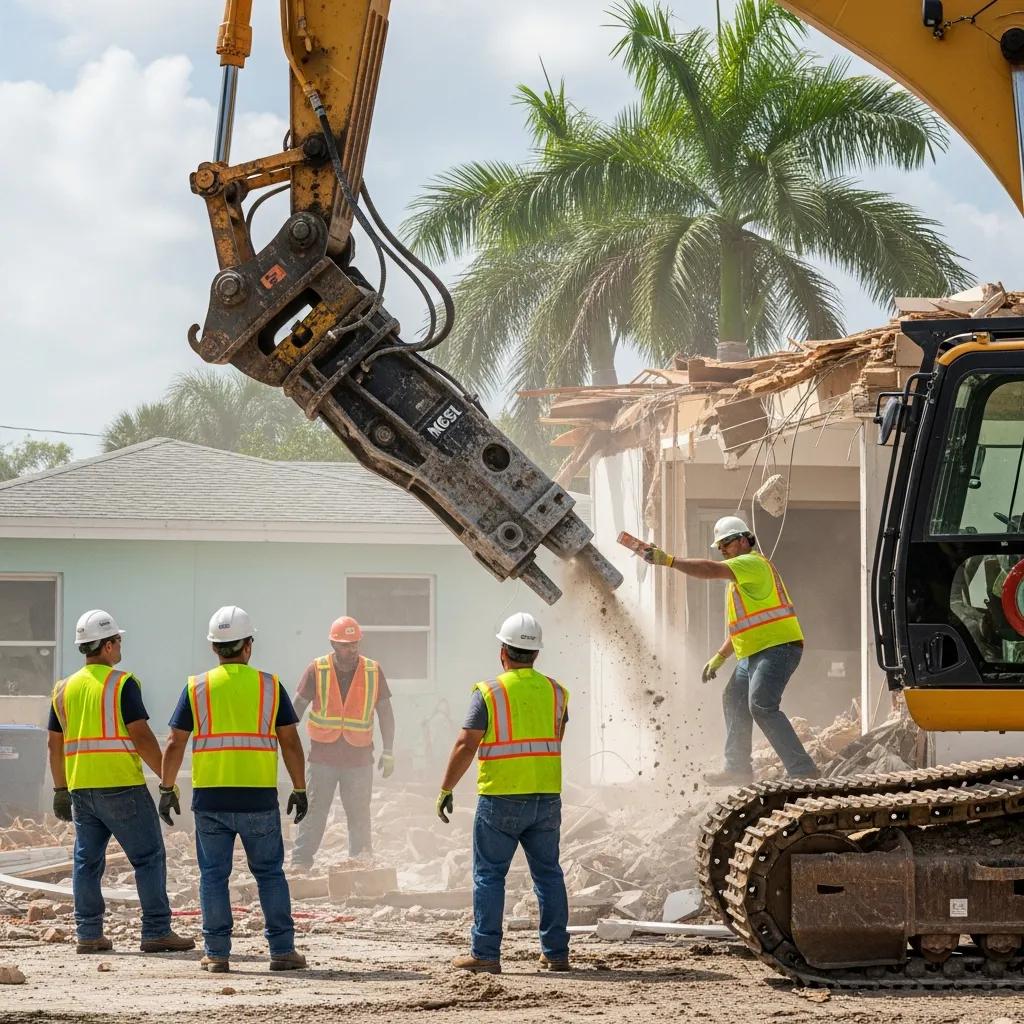
Why You Need Professional Demolition Contractors in Fort Lauderdale for Safe and Efficient Services
Demolition is a complex task that demands expertise, precision, and strict safety compliance. Hiring “professional demolition contractors” in Fort Lauderdale ensures work is completed safely and efficiently, reducing risks to workers and the surrounding area. This article outlines the services, safety protocols, environmental requirements, and the value of licensed contractors so you can make informed decisions about demolition work.
What Are the Key Residential Demolition Services Offered in Fort Lauderdale?
Residential demolition covers several specialised tasks focused on dismantling structures safely while limiting disruption to neighbours and the site. Professional contractors in Fort Lauderdale bring extensive experience and use advanced equipment to handle these tasks efficiently.
- Complete Home Demolition : This involves the total teardown of a residential structure, often necessary for rebuilding or significant renovations. Contractors ensure structural safety and proper debris management throughout the process.
- Partial Demolition : In cases where only specific sections of a home need to be removed, partial demolition allows for targeted work without compromising the entire structure. This service requires precise planning to maintain the integrity of remaining structures.
- Interior Demolition : This service focuses on removing non-structural elements such as walls, fixtures, and flooring, often in preparation for renovations. It minimizes dust and noise to reduce impact on occupants and neighbours.
Knowing the available residential demolition types helps homeowners plan major projects. Licensed contractors perform these services safely and in line with local rules, ensuring compliance with Fort Lauderdale’s building codes and environmental standards.
| Service Type | Description | Cost Estimate |
|---|---|---|
| Complete Home Demolition | Total teardown of a residential structure | $10,000 – $30,000 |
| Partial Demolition | Removal of specific sections of a home | $5,000 – $15,000 |
| Interior Demolition | Removal of non-structural elements | $2,000 – $8,000 |
The table highlights typical residential services and rough cost ranges to help homeowners budget their projects. Costs can vary based on factors such as property size, material types, and disposal requirements.
How Do Licensed Contractors Ensure Safe Residential Demolition?
Licensed contractors make residential demolition safer by following strict safety protocols. Key elements include:
- Training and Certifications : Contractors undergo rigorous training to understand the complexities of demolition work, including safety measures and equipment handling. Many hold certifications from recognized bodies such as OSHA and the National Demolition Association.
- Safety Equipment : The use of personal protective equipment (PPE) such as helmets, gloves, and goggles is mandatory to protect workers from potential hazards. Advanced machinery with safety features is also employed to minimize risks.
- Risk Management Strategies : Licensed contractors conduct thorough risk assessments before commencing work, identifying potential dangers and implementing strategies to mitigate them. This includes structural evaluations and hazard identification.
- Compliance with Local Regulations : Contractors ensure all demolition activities comply with Fort Lauderdale’s safety codes and environmental regulations, reducing liability and enhancing community safety.
Following these protocols significantly reduces the chance of accidents and injuries during demolition, protecting workers, residents, and neighbouring properties.
What Is Included in Residential Debris Removal and Site Clearing?
Debris removal and site clearing are essential to leave the area safe and ready for new construction or landscaping. Key tasks include:
- Debris Collection : All materials resulting from the demolition, including concrete, wood, and metal, are collected and sorted for disposal or recycling. Contractors use specialized equipment to efficiently handle large volumes of debris.
- Site Clearing : This involves removing any remaining debris and preparing the site for new construction, ensuring it is level and free of hazards. Proper grading and soil stabilization may also be performed.
- Environmental Considerations : Professional contractors prioritize eco-friendly disposal methods, recycling as much material as possible to minimize landfill waste. They also manage dust and noise pollution to reduce environmental impact.
- Documentation and Reporting : Licensed contractors provide detailed reports on debris disposal and site conditions, which can be important for regulatory compliance and future construction planning.
Proper debris removal and site clearing improve safety and support more sustainable building practices, contributing to Fort Lauderdale’s environmental goals.
How Do Commercial Demolition Services in Fort Lauderdale Meet Business Needs?
Commercial demolition is tailored to business requirements, ensuring projects finish efficiently with minimal disruption. Typical services include:
- Office Building Demolition : Complete or partial demolition of office spaces to make way for new developments or renovations. Contractors coordinate with building managers to minimize operational impact.
- Retail Space Demolition : Targeted demolition of retail environments to facilitate upgrades or relocations. This often involves phased demolition to allow continued business operations.
- Industrial Demolition : Specialized services for dismantling factories and warehouses, often requiring advanced equipment and safety measures. Contractors handle hazardous materials and complex structural elements safely.
- Site Preparation and Environmental Remediation : Many commercial projects include soil remediation and site preparation to meet regulatory standards before new construction.
Understanding commercial needs helps businesses pick contractors with the right experience and equipment for their projects, ensuring minimal downtime and regulatory compliance.
What Safety Protocols Are Followed in Commercial Demolition Projects?
Safety is critical in commercial demolition due to the scale and complexity of the work. Key safety protocols include:
- Comprehensive Safety Training : Workers receive extensive training on safety practices, equipment use, and emergency procedures. Many contractors implement ongoing safety education programs.
- Regular Safety Audits : Contractors conduct frequent safety audits to ensure compliance with regulations and identify areas for improvement. These audits help maintain high safety standards throughout the project.
- Emergency Response Plans : Detailed plans are established to address potential emergencies, ensuring that all workers know how to respond effectively. Coordination with local emergency services is often part of these plans.
- Use of Advanced Safety Technology : Commercial demolition projects often employ technologies such as dust suppression systems, noise barriers, and real-time monitoring to enhance safety and reduce environmental impact.
These measures help keep workers and the public safe and maintain a secure work environment, which is essential for large-scale commercial projects.
How Do Commercial Demolition Companies Handle Environmental Compliance?
Commercial demolition must meet local and federal rules on waste disposal and site management. Standard practices include:
- Understanding Environmental Laws : Contractors stay informed about relevant laws and regulations to ensure compliance throughout the demolition process. This includes the Clean Air Act, Clean Water Act, and local Fort Lauderdale ordinances.
- Proper Waste Disposal : Companies implement strategies for the safe disposal of hazardous materials, ensuring that they are handled according to legal requirements. Recycling and reuse of materials are maximized to reduce environmental footprint.
- Community Impact Considerations : Contractors assess the potential impact of demolition on local communities, striving to minimize disruption and environmental harm. This includes managing noise, dust, and traffic during demolition.
- Environmental Reporting and Documentation : Detailed records of waste disposal, emissions, and site conditions are maintained to demonstrate compliance and support sustainability goals.
Prioritizing environmental compliance helps demolition companies practice sustainability and protect community wellbeing, aligning with Fort Lauderdale’s commitment to environmental stewardship.
Public vigilance also helps ensure demolition projects follow rules and control pollution, particularly in residential neighbourhoods.
Demolition Pollution Control & Legal Compliance
When demolition occurs in a neighbourhood, residents often press authorities to enforce rules and ensure compliance. Developing a pollution-measuring system can help manage demolition projects so they meet legal regulations (2014).
Developing a pollution measuring system to manage demolition projects complying with legal regulations, 2014
Why Is Asbestos Removal Critical in Fort Lauderdale Demolition Projects?
Asbestos removal is essential in many demolition jobs, especially in older buildings where asbestos-containing materials may still be present. Its importance includes:
- Health Risks : Exposure to asbestos fibers can lead to serious health issues, including lung cancer and mesothelioma. Removing these materials is essential for protecting workers and the public.
- Regulatory Compliance : Strict regulations govern the handling and removal of asbestos, requiring licensed professionals to manage the process safely. The Florida Department of Environmental Protection enforces these rules locally.
- Best Practices for Safe Removal : Professional contractors follow established protocols for asbestos removal, ensuring that it is conducted safely and effectively. This includes containment, air monitoring, and proper disposal.
- Training and Certification : Asbestos abatement specialists must be trained and certified, ensuring they understand the risks and proper handling techniques.
Recognizing the health and regulatory risks of asbestos ensures demolition work is completed safely and in compliance with the law, protecting both workers and the community.
International regulations reinforce that qualified professionals are needed for safe asbestos demolition and environmental protection.
Asbestos Demolition: Regulations & Qualified Professionals
Environmental protection rules for asbestos disposal differ by country. In places such as New Zealand, Australia, the UK, Canada, and Europe, strict laws require qualified professionals to handle asbestos.
Mitigation of contamination and health risk: asbestos management and regulatory practices, A Aryal, 2024
What Are the Environmental Regulations Governing Asbestos Abatement?
Regulations for asbestos abatement exist to protect public health and the environment. Important elements include:
- EPA Guidelines : The Environmental Protection Agency (EPA) provides guidelines for the safe handling and disposal of asbestos materials, including the Asbestos National Emission Standards for Hazardous Air Pollutants (NESHAP).
- State Regulations : Florida has specific regulations that govern asbestos removal, requiring contractors to be familiar with local laws and obtain necessary permits.
- Documentation Requirements : Contractors must maintain detailed records of asbestos abatement activities, including inspections, air monitoring results, and disposal methods, to ensure transparency and compliance.
- Notification Requirements : Contractors are required to notify local and state agencies before beginning asbestos removal to allow for inspections and oversight.
Adhering to these regulations keeps asbestos abatement lawful and protects public health, reducing the risk of contamination and exposure.
How Do Professional Contractors Manage Hazardous Material Removal Safely?
Safe removal of hazardous materials is a core part of demolition work. Professional contractors use several strategies to manage this safely:
- Identification of Hazardous Materials : Before demolition begins, contractors conduct thorough inspections to identify any hazardous materials present on-site, including lead paint, mercury, and PCBs.
- Safety Protocols for Removal : Specialized training and equipment are used to safely remove hazardous materials, minimizing the risk of exposure to workers and the environment. This includes containment, ventilation, and decontamination procedures.
- Disposal Methods : Contractors follow strict guidelines for the disposal of hazardous materials, ensuring they are handled in compliance with environmental regulations and transported to licensed disposal facilities.
- Worker Health Monitoring : Many contractors implement health monitoring programs to protect workers from exposure-related illnesses.
These practices are necessary to protect workers and public health during demolition projects, ensuring compliance with OSHA and EPA standards.
When Is Emergency Demolition Necessary and How Is It Handled?
Emergency demolition is required when a structure presents an immediate safety hazard, such as after a natural disaster or structural collapse. Key considerations include:
- Common Scenarios : Emergency demolition is often necessary following severe weather events, fires, or other incidents that compromise a building’s integrity. Rapid response can prevent further damage or injury.
- Response Time Expectations : Licensed contractors are equipped to respond quickly to emergency situations, ensuring that dangerous structures are removed promptly. Many maintain on-call teams for such events.
- Coordination with Local Authorities : Effective communication with local authorities is essential to ensure that emergency demolition is conducted safely and in compliance with regulations. This includes obtaining expedited permits and following emergency protocols.
- Safety and Environmental Considerations : Even in emergencies, contractors prioritize safety and environmental protection, using controlled demolition techniques to minimize hazards.
Knowing when and how emergency demolition is handled helps ensure safety is prioritized in urgent situations, protecting lives and property.
What Are the Fast Response Procedures for Emergency Demolition Services?
Fast response procedures reduce harm and limit further damage in emergency demolition. Key procedures include:
- Rapid Assessment : Contractors conduct quick assessments to determine the extent of the damage and the necessary demolition actions, often using drones or other technology for safety.
- Communication with Clients : Keeping clients informed throughout the process is essential for managing expectations and ensuring safety. Clear communication helps coordinate logistics and approvals.
- Safety Measures During Emergencies : Contractors implement strict safety measures to protect workers and the public during emergency demolition operations, including site security and hazard containment.
- Post-Demolition Site Stabilization : After demolition, contractors stabilize the site to prevent further hazards, such as securing debris and shoring up adjacent structures.
These steps help make emergency demolitions both efficient and safe, minimizing risks and facilitating recovery efforts.
How Do Licensed Contractors Mitigate Risks During Emergency Demolition?
Licensed contractors use several strategies to reduce risk in emergency demolition projects. These include:
- Risk Assessment Procedures : Before beginning work, contractors conduct thorough risk assessments to identify potential hazards and develop mitigation plans, even under tight time constraints.
- Safety Training for Emergency Situations : Workers receive specialized training to prepare them for the unique challenges of emergency demolition, including working in unstable environments.
- Post-Demolition Site Safety : After demolition, contractors ensure that the site is secure and safe for future use, preventing accidents and injuries. This includes fencing, signage, and debris removal.
- Coordination with Emergency Services : Contractors work closely with fire, police, and emergency medical services to manage risks and respond to incidents.
Emphasizing risk mitigation improves safety during emergency demolition operations, protecting workers, the public, and property.
Effective risk assessment not only protects projects but also helps regulators update laws to better control and mitigate demolition risks.
Demolition Risk Assessment & Regulatory Compliance
Risk assessment can assist regulatory authorities in drafting or revising laws and regulations to better control and reduce demolition risks.
Development of a framework for risk assessment in building demolition works, DJ Patel, 2023
What Permits and Legal Requirements Must Be Met for Demolition in Fort Lauderdale?
Demolition in Fort Lauderdale must comply with various permits and legal rules. Important points include:
- Types of Permits Required : Contractors must obtain the necessary permits before commencing demolition, which may include building permits, environmental permits, and asbestos abatement permits.
- Application Process : The process for obtaining permits can vary, requiring contractors to submit detailed plans, environmental assessments, and safety protocols to local authorities such as the Fort Lauderdale Building Department.
- Inspections and Approvals : Permits often require inspections before, during, and after demolition to ensure compliance with safety and environmental standards.
- Consequences of Non-Compliance : Failing to obtain the required permits can result in legal repercussions, fines, project shutdowns, and delays in project timelines.
Understanding the permitting process is essential to ensure demolition work is legal and efficient, avoiding costly penalties and project interruptions.
How Do Demolition Companies Obtain and Comply with Local Permits?
Demolition companies follow defined steps to obtain and comply with local permits. These typically include:
- Steps in the Permit Application Process : Contractors must submit applications detailing the scope of work, safety measures, environmental considerations, and timelines.
- Documentation Required : Supporting documents, such as site plans, environmental impact assessments, asbestos reports, and safety protocols, are often required to demonstrate compliance with local regulations.
- Local Authority Interactions : Effective communication with local authorities is crucial for navigating the permitting process and ensuring compliance. Contractors often work closely with city planners and environmental agencies.
- Permit Renewals and Amendments : For extended or changed projects, contractors must manage permit renewals or amendments to stay compliant.
Knowing how to secure and comply with permits helps contractors avoid delays and keep projects on schedule, ensuring smooth project execution.
What Are the Consequences of Non-Compliance with Demolition Regulations?
Failing to comply with demolition rules can lead to serious outcomes for contractors and property owners. Major repercussions include:
- Legal Repercussions : Violating demolition regulations can result in legal action, including fines, penalties, and potential lawsuits.
- Financial Penalties : Non-compliance may lead to significant financial penalties, impacting project budgets and timelines. These can include stop-work orders and increased insurance costs.
- Impact on Future Projects : A history of non-compliance can affect a contractor’s reputation and ability to secure permits for future projects, limiting business opportunities.
- Safety Risks : Ignoring regulations increases the risk of accidents, injuries, and environmental damage, which can have long-term consequences.
Knowing these consequences highlights why strict adherence to regulations matters throughout the demolition process, protecting all stakeholders involved.
How to Choose the Right Demolition Company Near Me in Fort Lauderdale?
Choosing the right demolition company is key to a successful project. Consider these factors:
- Experience and Expertise : Look for companies with a proven track record in residential and commercial demolition, including experience with local regulations and environmental standards.
- Licensing and Insurance : Ensure that the company is licensed and insured to protect against potential liabilities. Verify credentials with state and local authorities.
- Customer Reviews and Testimonials : Research customer feedback to gauge the company’s reputation and reliability. Look for consistent positive reviews and responsiveness.
- Equipment and Technology : Companies using modern equipment and technology often deliver safer and more efficient demolition services.
- Environmental Commitment : Choose contractors who prioritize sustainable practices, such as recycling and proper hazardous material handling.
Assessing these criteria will help you select a reliable demolition contractor who meets your project’s specific needs.
What Credentials and Certifications Should You Look For?
When vetting contractors, confirm their credentials and certifications. Important items to check include:
- State Licensing : Ensure that the contractor holds the necessary state licenses to perform demolition work, such as a Florida Demolition Contractor License.
- Safety Certifications : Look for certifications that demonstrate the contractor’s commitment to safety, such as OSHA training, EPA hazardous waste handling certification, and asbestos abatement licenses.
- Industry Affiliations : Membership in professional organizations like the National Demolition Association or local trade groups can indicate a contractor’s dedication to industry standards and best practices.
- Insurance Coverage : Verify that the contractor carries adequate general liability and workers’ compensation insurance.
Verifying these credentials helps ensure you hire a qualified, reputable contractor who adheres to industry and regulatory standards.
How Do Customer Testimonials and Project Results Influence Your Choice?
Customer testimonials and project results often shape the decision to hire a contractor. Consider the following:
- Importance of Customer Feedback : Positive reviews can provide insight into a contractor’s reliability, quality of work, and customer service. Look for feedback on communication, timeliness, and problem-solving.
- Evaluating Testimonials : Look for detailed testimonials that highlight specific aspects of the contractor’s performance, such as timeliness and professionalism. Beware of overly generic or unverified reviews.
- Case Studies as Decision Aids : Reviewing case studies of past projects can help you understand the contractor’s capabilities and experience, especially for projects similar to yours.
- References and Site Visits : Request references and, if possible, visit completed project sites to assess workmanship and client satisfaction firsthand.
Reviewing feedback and project outcomes gives you a clearer picture of a contractor’s performance and helps you make an informed choice.
Frequently Asked Questions
What should I consider when planning a demolition project?
When planning a demolition project, consider the type of demolition (complete, partial, interior), the timeline, and the budget. Assess the building’s condition and check for hazardous materials like asbestos. Confirm local permitting and regulatory requirements, and consult licensed professionals to streamline planning and meet safety standards. Additionally, plan for debris removal and site restoration to ensure a smooth transition to the next phase of your project.
How can I ensure my demolition project is environmentally friendly?
To make a demolition project more environmentally friendly, prioritise recycling and responsible waste disposal. Hire contractors who sort materials for recycling and use sustainable disposal methods. Consider deconstruction to salvage reusable items, and ensure your contractor follows local environmental regulations to reduce the project’s ecological footprint. Implementing dust control measures and minimizing noise pollution also contribute to environmental stewardship.
What are the potential health risks associated with demolition?
Demolition can expose people to hazardous materials such as asbestos, lead, and silica dust, which pose respiratory and long-term health risks. Physical dangers like falling debris and equipment accidents also exist. Hire licensed contractors who follow strict safety procedures and inspect sites for hazardous materials before work begins. Proper use of PPE and adherence to safety protocols significantly reduce these risks.
How long does a typical demolition project take?
Project duration varies with size, complexity, demolition type, and unexpected challenges. Small residential demolitions may take a few days to a week; larger commercial projects can take weeks or months. Proper planning, permits, and safety assessments help keep projects on schedule and reduce delays. Weather conditions and site accessibility can also affect timelines.
How much does it usually cost to demo a house?
The cost to demolish a house varies depending on size, location, and complexity. On average, residential demolition in Fort Lauderdale ranges from $10,000 to $30,000 for a complete teardown. Factors such as debris removal, hazardous material abatement, and permit fees can affect the total cost. Consulting with professional contractors provides accurate estimates tailored to your project, including potential additional costs for environmental remediation or emergency services.
Do you need a permit to demo a house in Florida?
Yes, a permit is required to demolish a house in Florida, including Fort Lauderdale. Contractors must obtain the necessary building and environmental permits before starting demolition. The permitting process ensures compliance with safety, environmental, and zoning regulations. Working with licensed professionals helps navigate permit requirements efficiently and avoid legal issues.
How long does it take to demolish a 30 by 40 feet house?
The demolition of a 30 by 40 feet house typically takes several days to a week, depending on factors such as the structure’s condition, demolition type, and site preparation needs. Efficient planning, proper permits, and experienced contractors can help complete the project within this timeframe while maintaining safety and compliance. Additional time may be required for hazardous material removal or debris disposal.
Conclusion
Hiring professional demolition contractors in Fort Lauderdale helps ensure work is safe, efficient, and compliant with local regulations. Understanding available services and the value of licensed expertise lets you protect your investment and the environment. Reach out to qualified contractors to discuss your needs and get tailored solutions to ensure a safe, successful demolition. By choosing experienced professionals, you minimize risks, adhere to legal requirements, and contribute to sustainable building practices in your community.