

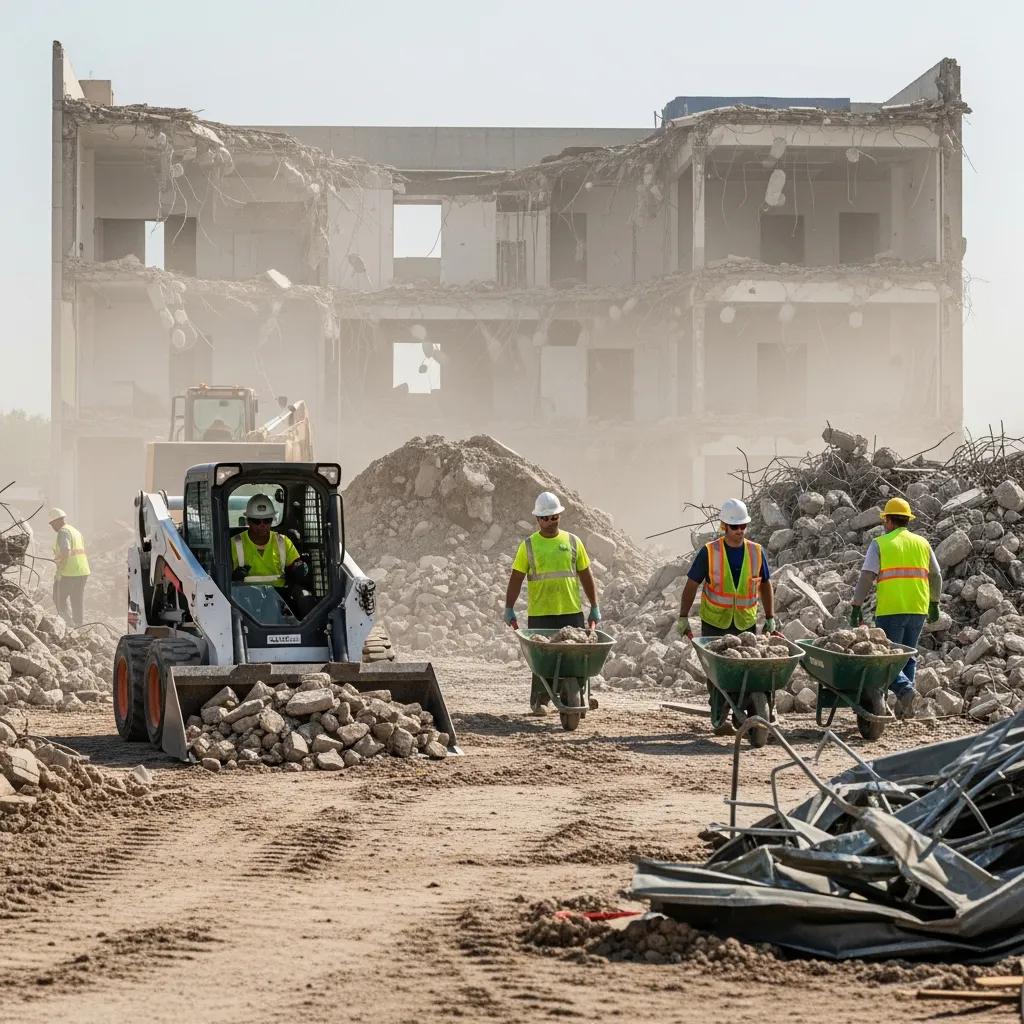
Why Understanding Demolition Process Steps Matters for Successful Projects
Knowing the demolition process helps construction projects run smoothly by protecting safety, ensuring compliance, and improving efficiency. This article outlines essential steps, safety protocols, environmental rules, and permits required in Florida, including specific considerations for Cooper City, FL, so project managers and homeowners can avoid delays and keep work on track.
Essential Steps in a Demolition Project
Key steps include site assessment, securing permits, and executing demolition safely and efficiently. Each step reduces risk and keeps the project aligned with local regulations.
| Step | Description | Importance |
|---|---|---|
| Site Assessment | Evaluating the structure and surrounding area for hazards | Identifies potential risks and necessary precautions |
| Permit Acquisition | Securing the required legal permissions | Ensures compliance with local laws and regulations |
| Demolition Execution | Carrying out the demolition safely | Prevents accidents and ensures project timelines are met |
Following these steps helps guide planning and ensures demolition is executed effectively.
Impact of Site Preparation on Demolition Success
Site preparation identifies hazards such as underground utilities and structural weaknesses. Marking utilities and performing structural assessments prevent interruptions and allow demolition to proceed safely. In Cooper City, FL, it is especially important to coordinate with local utility providers to ensure all underground lines are properly identified and disconnected before work begins.
Role of Debris Removal in Project Completion
Timely debris removal keeps the site safe and maintains the schedule. Recycling salvageable materials and using appropriate equipment speed cleanup and reduce delays. Cooper City contractors often emphasize debris management plans that comply with Broward County regulations to minimize environmental impact and community disruption.
Safety Protocols Ensure Compliance and Protect Stakeholders
Safety protocols protect workers and nearby communities by lowering accident risk. Complying with safety rules is both a legal requirement and a responsibility to everyone involved.
Key Elements of a Demolition Safety Checklist
A comprehensive demolition safety checklist should include the main protective measures below:
- Personal Protective Equipment (PPE): Ensuring all workers wear appropriate safety gear.
- Site Safety Assessment: Conducting a thorough evaluation of the site for hazards.
- Emergency Procedures: Establishing clear protocols for emergencies.
These items are essential for keeping the worksite safe during demolition.
Following OSHA and Local Safety Regulations in Miami-Dade, Broward, and Cooper City
Miami-Dade, Broward, and Cooper City require adherence to OSHA standards and local safety laws, covering equipment use, worker protection, and environmental safeguards. Local rules may add training or other requirements; knowing them prevents legal problems and improves site safety. Cooper City contractors must also comply with city-specific ordinances that may affect demolition timing and noise control.
Environmental Compliance Is Critical During Demolition
Environmental compliance prevents harm to public health and the environment. It requires responsible handling of hazardous materials and following waste-disposal rules.
Managing Asbestos and Hazardous Waste Responsibly
Proper procedures include:
- Conducting thorough inspections to identify hazardous materials.
- Hiring certified professionals for removal and disposal.
- Following local and federal regulations for hazardous waste management.
Following these practices protects workers and the wider community from health risks.
Best Practices for Environmentally Responsible Waste Disposal
Best practices include:
- Recycling Materials: Salvaging materials like metal, wood, and concrete for reuse.
- Proper Disposal: Ensuring hazardous materials are disposed of in compliance with regulations.
- Minimizing Waste: Planning demolition to reduce the amount of waste generated.
These measures benefit the environment and can lower disposal costs. In Cooper City, adherence to Broward County’s environmental guidelines is essential for sustainable demolition practices.
Permits and Legal Requirements for Demolition in Florida
In Florida, you must obtain required permits, notify utility companies, and comply with local zoning before starting demolition. Meeting these requirements helps avoid legal complications and delays.
Permits Required in Miami-Dade, Broward, and Cooper City
In Miami-Dade, Broward, and Cooper City, typical requirements include:
- Demolition Permit: Required for all demolition activities.
- Environmental Permits: Necessary if hazardous materials are involved.
- Utility Notifications: Required to ensure that all utilities are safely disconnected.
Those permits ensure the demolition follows local regulations and safety standards. Cooper City residents should consult the city’s building department for any additional permit requirements or local ordinances.
Understanding Local Regulations to Prevent Project Delays
Being aware of local regulations and permit requirements streamlines the demolition process. This proactive approach reduces the chance of unexpected legal stops and cost increases.
For details on obtaining a demolition permit in Miami-Dade, consult the county’s official resources to confirm all legal requirements.
Also, following OSHA safety regulations protects workers and keeps projects compliant during demolition activities.
Follow the EPA on asbestos management to ensure hazardous materials are handled correctly throughout the demolition process.
Frequently Asked Questions
What are the potential risks associated with demolition projects?
Demolition risks include structural collapse, asbestos exposure, and heavy-equipment accidents. Poor waste handling can also cause environmental contamination. Mitigate these risks with thorough site assessments, strict safety protocols, and proper worker training.
How can project managers ensure effective communication during demolition?
Clear communication keeps stakeholders aligned. Use regular meetings, status updates, and project-management tools. A communication plan that defines roles and emergency contacts helps resolve issues quickly and reduces delays.
What training is required for workers involved in demolition?
Workers need training on safety protocols, correct PPE use, hazardous-material handling, equipment operation, and emergency response. Certification programs and OSHA training provide the required knowledge and skills.
How can technology improve the demolition process?
Technology boosts safety and efficiency. Drones provide aerial site assessments, software supports scheduling and compliance tracking, and virtual reality offers safe training simulations for workers before they enter the site.
What are the environmental impacts of demolition, and how can they be minimized?
Demolition can generate waste, air pollution, and potential soil or water contamination. Minimize impacts by recycling materials, using eco-friendlier methods, and disposing of hazardous waste correctly. Conducting environmental assessments before work starts helps plan effective mitigation.
What should be included in a demolition project timeline?
A timeline should cover site assessment, permit acquisition, demolition execution, debris removal, and site restoration, with specific deadlines and milestones. Include contingency plans for weather or unexpected hazards to keep the schedule on track.
Steps in a Demolition Process
The demolition process typically involves the following steps: 1) Site assessment to identify hazards and plan the work; 2) Obtaining necessary permits and approvals; 3) Preparing the site, including utility disconnections and safety measures; 4) Executing the demolition safely using appropriate methods and equipment; 5) Removing debris and recycling salvageable materials; and 6) Restoring the site as required. Each step ensures safety, compliance, and efficiency throughout the project.
Cost to Demo a 2000 sq ft House
The cost to demolish a 2000 square foot house varies depending on factors such as location, complexity, materials, and disposal fees. On average, demolition costs can range from $8,000 to $20,000 or more. Additional expenses may include permit fees, hazardous material removal, and site cleanup. Obtaining detailed quotes from local contractors, including those familiar with Cooper City regulations, is recommended for accurate budgeting.
Conclusion
Mastering the demolition process—site assessment, permit acquisition, and debris removal—improves safety, compliance, and project flow. Following best practices protects workers and supports sustainable outcomes for the community. For more insights and resources on effective demolition strategies, including those tailored for Cooper City, FL, explore our comprehensive guides today.