

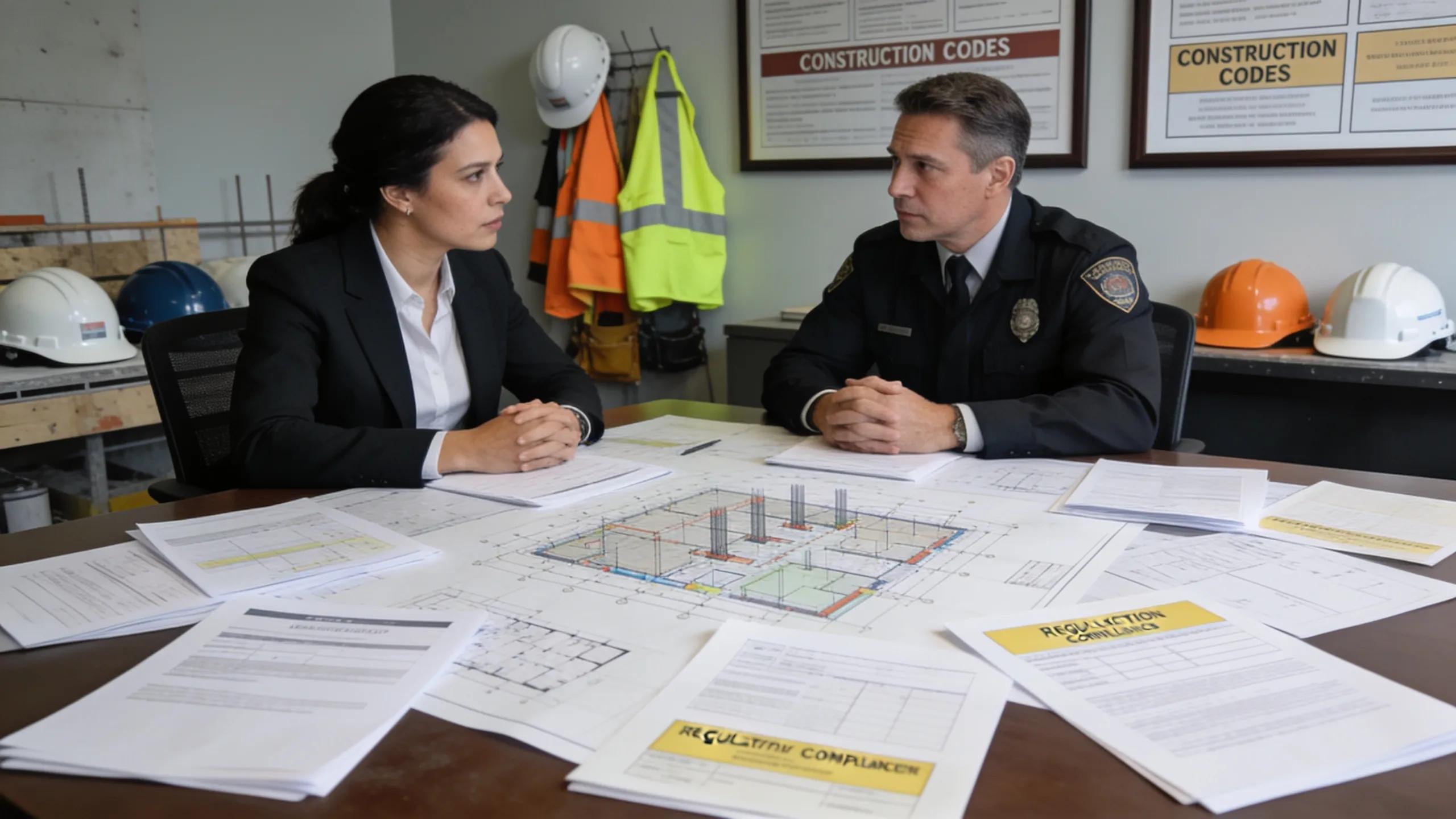
Best Practices for Safe Demolition in Plantation, FL: Demolition Safety Procedures and Permit Guidelines
Demolition projects in Plantation, Florida, require meticulous planning, expert execution, and compliance with stringent local and state regulations to safeguard workers, surrounding communities, and the environment. This comprehensive guide details the critical safety procedures, permit acquisition steps, regulatory frameworks, and sustainable waste‑management practices essential for successful demolition projects in Plantation, FL.
Essential Safety Procedures for Demolition in Plantation
Effective safety procedures are fundamental in minimizing risks associated with structural dismantling. This includes performing thorough hazard assessments, securing the demolition site, implementing dust and noise control measures, and establishing clear emergency response plans to protect workers, neighbors, and the environment in Plantation and surrounding areas.
Following Demolition Safety Checklists for Residential and Commercial Sites
Adhering to a detailed safety checklist ensures all crucial controls are addressed before and during demolition:
- Comprehensive Site Assessment: Conduct structural evaluations and identify hazards such as underground utilities, asbestos, lead-based paint, and unstable materials specific to Plantation, FL.
- Utility Disconnections: Coordinate with local utility providers to safely disconnect water, gas, electrical, and sewage services prior to commencing work.
- Environmental Controls: Implement dust suppression and noise reduction techniques in compliance with Plantation’s environmental ordinances to minimize impact on local residents and ecosystems.
- Post-Demolition Cleanup: Ensure debris removal, site grading, and safety verification to prepare the site for future use or construction.
These steps significantly reduce onsite accidents, environmental harm, and maintain an orderly work environment compatible with Plantation’s community standards.
Required Protective Equipment and Hazard Controls During Demolition
Personal protective equipment (PPE) and engineering controls are crucial for worker safety. Required PPE includes:
- Hard Hats: Essential for protection from falling debris and impacts.
- Safety Glasses or Goggles: Prevent eye injuries from dust, flying particles, and other hazards.
- Respirators: Necessary when encountering hazardous airborne substances such as asbestos fibers, silica dust, or chemical vapors.
- High-Visibility Clothing: Ensures workers are easily seen on site, reducing accident risks.
- Steel-Toed Boots: Protect feet from heavy objects and sharp debris.
Engineering controls such as dust extraction systems, ventilation, fall-protection harnesses, and protective barriers also enhance safety during demolition activities, particularly when working at heights or in confined spaces typical in Plantation demolition projects.
Obtaining and Complying with Residential Demolition Permits in Plantation, FL
Obtaining demolition permits in Plantation involves careful adherence to local government procedures. Applicants must prepare detailed documentation and engage with municipal authorities early to ensure smooth processing and avoid project delays.
Step-by-Step Permit Acquisition Process in Miami-Dade and Broward Counties
The permit process typically includes the following steps:
- Initial Consultation: Meet with local building and zoning officials to discuss project scope, compliance requirements, and timelines.
- Prepare and Submit Documentation: Complete application forms including demolition plans, environmental impact assessments, proof of contractor licensing, and safety protocols per Plantation and county requirements.
- Fees and Bonds: Pay applicable fees and provide performance bonds or insurance certificates as required.
- Review and Approval: Authorities review submissions for compliance with building codes, environmental regulations, and safety standards.
- Permit Issuance: Upon successful review, receive formal permit to proceed with demolition work.
Comprehensively prepared applications significantly expedite approval and minimize the risk of costly legal interruptions in Plantation, FL.
Local Building Codes and Regulations Governing Demolition Projects in Plantation
Demolition operations in Plantation must comply with:
- Plantation Building Codes: Encompassing structural safety, fire prevention, and construction standards tailored to the region.
- Miami-Dade and Broward County Regulations: Including zoning laws, noise ordinances, and stormwater management designed to protect local communities.
- Florida State Statutes: Covering environmental protection, asbestos handling, and waste disposal.
Adherence guarantees legal compliance and promotes occupational and public safety throughout the demolition process.
Environmental Regulations Impacting Demolition Projects in Miami and Plantation
Environmental regulations are foundational to preventing harm during demolition. Key concerns include:
- Asbestos and Lead-Containing Materials Handling: Strict protocols govern the identification, removal, and disposal of hazardous materials to avoid contamination in Plantation areas.
- Waste Disposal and Recycling Requirements: Mandated sorting, recycling, and safe disposal of demolition debris, including concrete, metals, and hazardous waste.
- Pollution Prevention: Measures to control dust, runoff, and noise emissions protecting nearby ecosystems and residents.
- Documentation and Reporting: Detailed records of environmental compliance are necessary for inspections and audits.
Complying with these safeguards reduces environmental risks and legal liabilities.
Managing Demolition Waste Disposal and Recycling Effectively in Plantation, FL
Implementing robust waste management on demolition sites benefits sustainability and reduces costs. Best practices include:
- Sorting and Recycling at Source: Separate concrete, wood, metals, and hazardous materials to maximize reuse and recycling opportunities.
- Use of Licensed Disposal Facilities: Partner with certified waste processors for hazardous and non-recyclable materials to ensure regulatory compliance specific to Plantation, FL.
- Waste Audits and Management Plans: Conduct comprehensive waste assessments and develop plans emphasizing reduction, reuse, and recycling prioritization.
- Community Engagement and Reporting: Transparently communicate waste management strategies and maintain compliance documentation.
These strategies significantly minimize landfill reliance and promote environmental stewardship in Plantation demolition operations.
Guidelines for Handling Asbestos and Hazardous Materials Safely in Plantation
Strict protocols ensure safe management of hazardous materials to protect public health and satisfy regulatory mandates in Plantation:
- Pre-Demolition Hazard Assessments: Engage certified inspectors to identify asbestos, lead paint, PCBs, or other risks before work begins.
- Containment and Abatement Procedures: Employ specialized containment barriers, air filtration systems, and wet methods to prevent material release.
- Certified Removal Contractors: Use licensed abatement professionals following OSHA and EPA regulations for safe removal and disposal.
- Worker Training and PPE: Ensure that all personnel have appropriate training and use respiratory protection and protective gear during hazardous operations.
- Regulatory Compliance and Documentation: Maintain records of hazard identification, removal processes, waste manifests, and disposal certificates.
These comprehensive measures reduce health risks and maintain legal conformity during demolition involving hazardous substances in Plantation, FL.
Selecting Qualified Demolition Contractors in Plantation, Florida
Hiring experienced and compliant contractors is vital for project success:
- Verification of Licensing and Insurance: Confirm the contractor holds valid state and local licenses along with adequate liability and workers’ compensation insurance.
- Review of Safety Protocols and Certifications: Assess adherence to OSHA standards, site safety plans, and relevant certifications such as Lead Abatement and Asbestos Handling.
- Evaluation of Experience and Client References: Examine previous demolition projects, client testimonials, and reputation in the local Plantation community.
- Technical Capacity and Equipment: Ensure the contractor possesses modern equipment and skilled personnel for efficient and safe operations.
Partnering with qualified contractors mitigates risks, reduces costs, and enhances project outcomes in Plantation, FL.
Contractor Credentials and Safety Standards Required in Plantation
Contractors must maintain comprehensive records and meet high standards to ensure legal and safety compliance:
- Regulatory Compliance: Follow all local, state, and federal construction and environmental regulations applicable in Plantation.
- Insurance Coverage: Carry sufficient liability and workers’ compensation insurance to cover onsite risks.
- Employee Training: Document regular safety training sessions, certifications, and continuing education for all team members.
- Site Safety Programs: Implement and enforce written safety policies, hazard communication, and incident reporting systems.
- Quality Assurance and Documentation: Maintain detailed records of inspections, certifications, and compliance audits.
These credentials safeguard project integrity, worker welfare, and regulatory adherence.
Importance of Local Expertise in Miami-Dade and Broward Counties for Demolition Projects
Local experts in Plantation, FL provide critical advantages by:
- Navigating Regional Permitting Processes: Understanding county-specific requirements, application nuances, and approval timelines.
- Addressing Unique Environmental Considerations: Recognizing local ecosystems, historical preservation rules, and pollution control mandates.
- Facilitating Community Engagement: Managing neighbor relations, public notifications, and minimizing community disruption.
- Leveraging Established Relationships: Coordinating effectively with municipal agencies, inspectors, and waste disposal facilities.
Engaging local professionals reduces delays, unforeseen costs, and regulatory risks while promoting project success in Plantation, FL.
| Safety Equipment | Description | Importance |
|---|---|---|
| Hard Hats | Protect against falling debris | Essential for worker safety |
| Safety Glasses | Shield eyes from dust and particles | Critical to prevent injuries |
| Respirators | Filter harmful airborne substances | Vital for health protection |
| High-Visibility Clothing | Enhances worker visibility on site | Minimizes accident risks |
| Steel-Toed Boots | Protects feet from heavy or sharp debris | Prevents foot injuries |
This table lists key safety equipment and illustrates why each is crucial for onsite worker protection during demolition in Plantation, FL.
| Regulation Type | Description | Compliance Requirement |
|---|---|---|
| Building Codes | Local mandates governing construction safety | Obtain all required permits and inspections |
| Environmental Laws | Rules for hazardous waste management and pollution control | Follow prescribed disposal and recycling practices |
| OSHA Standards | Occupational safety and health regulations | Adhere to worker safety training and protocols |
| State and Federal Environmental Regulations | Including EPA asbestos and lead rules | Strict compliance with abatement and disposal standards |
Strict adherence to these regulations ensures smooth project execution while protecting workers, public health, and environmental quality.
Frequently Asked Questions
What is the role of environmental assessments in demolition projects?
Environmental assessments identify potential hazards such as asbestos, contaminated soil, or protected species habitats. They recommend mitigation strategies that ensure demolition activities in Plantation, FL comply with regulations, protecting nearby communities and ecosystems from adverse impacts.
How can neighbors be informed about ongoing demolition projects?
Effective neighbor communication in Plantation involves distributing flyers, hosting informational meetings, and providing direct contact channels to share timelines, noise and dust mitigation measures, and safety assurances. This transparency fosters community trust and reduces complaints.
What are the consequences of failing to comply with local demolition regulations?
Non-compliance in Plantation, FL may result in significant fines, legal actions, permit revocations, mandatory work stoppages, reputational damage, and increased project costs due to delays or remediation requirements.
How can businesses incorporate sustainable practices in demolition?
Businesses in Plantation should prioritize on-site sorting and recycling, reuse salvaged materials when possible, select contractors with green certifications, and maintain detailed waste management records. These practices reduce landfill waste, lower environmental footprints, and can generate cost savings.
What training or certifications should demolition workers have?
Demolition workers should complete OSHA safety courses, hazardous-materials handling certifications, and equipment operation training, with mandatory refresher sessions to stay current with safety standards and regulatory changes relevant to Plantation, FL.
What community resources are available for understanding demolition practices?
Resources in Plantation include public workshops hosted by building departments, educational materials from industry associations, online portals from local governments, and community outreach programs designed to inform residents and stakeholders about demolition safety and environmental protection.
Conclusion
Safe and efficient demolition in Plantation, FL depends on comprehensive planning, strict regulatory compliance, and partnering with qualified contractors with local expertise. By securing proper permits, employing appropriate PPE and hazard controls, responsibly managing waste, and engaging with local authorities and communities, demolition projects can protect people, preserve the environment, and achieve high-quality outcomes.