

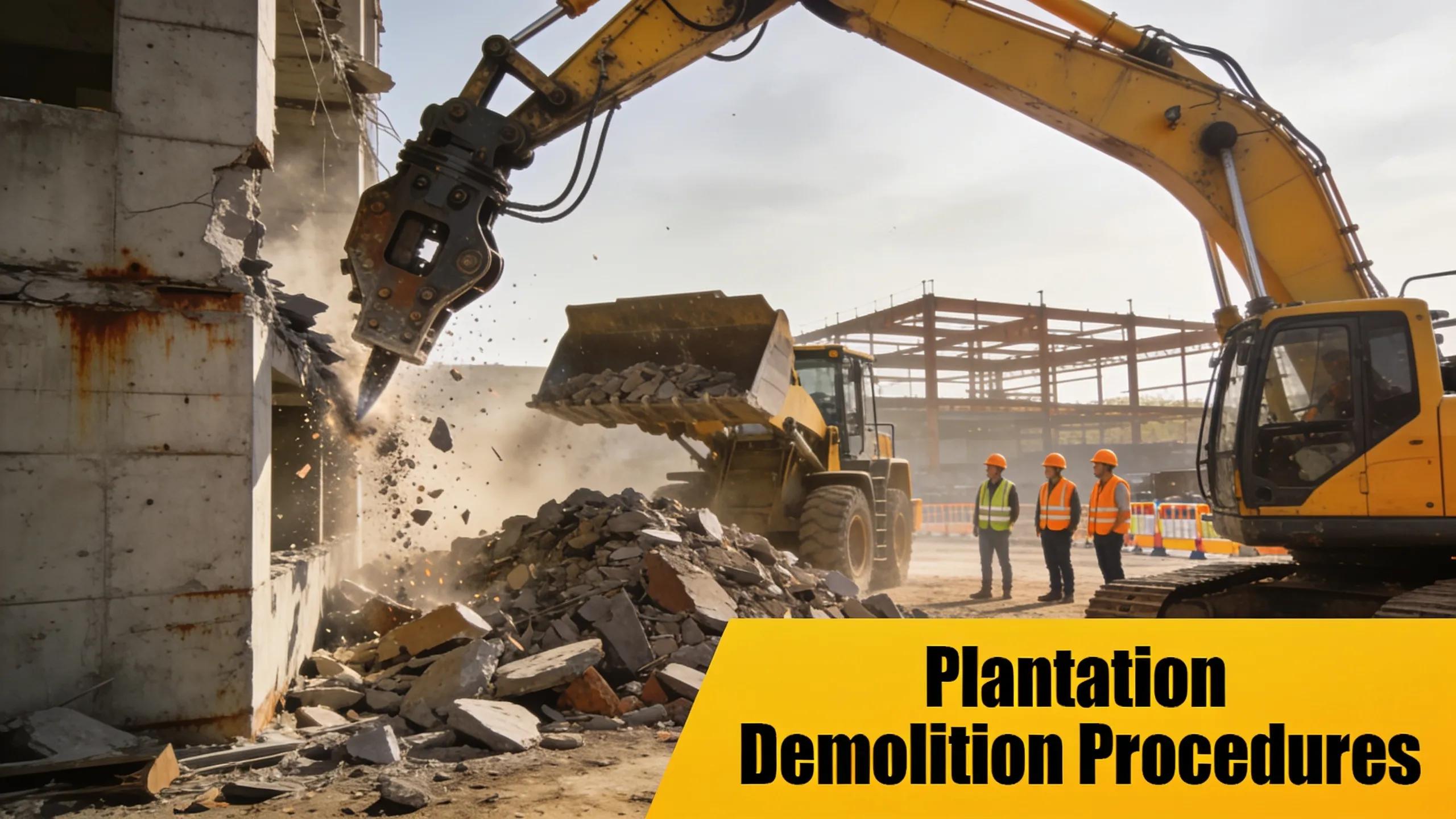
Key Factors Influencing Plantation Demolition Procedures: Permits, Safety, and Compliance
Demolition in Plantation, FL requires meticulous attention to permits, safety standards, and environmental compliance to ensure successful and legally sound project completion. This comprehensive guide outlines detailed permit application steps, essential safety practices, environmental responsibilities, and the critical role of licensed contractors for both residents and commercial developers. Understanding the unique regulatory landscape of Plantation, FL, including local ordinances and county-level requirements, is vital for project success and community safety.
Demolition Permit Requirements in Plantation, FL
Before commencing any demolition in Plantation, FL, it is essential to obtain all necessary permits. Required documentation typically includes up-to-date site plans, proof of ownership, valid contractor licensing, comprehensive environmental assessments, and confirmation of utility disconnections. These requirements vary depending on the scope and nature of the project, as well as local regulations, so it is advisable to assemble these documents prior to permit applications to prevent delays.
Engaging with professional services such as Miller and Myers Group Demolition, who specialize in Plantation, FL regulations, can provide valuable assistance in the permit preparation and application process, ensuring regulatory compliance and efficient submission.
| Permit Type | Documentation Required | Application Process |
|---|---|---|
| Residential | Site Plans, Proof of Ownership, Contractor Licensing | Submit application, Review local regulations |
| Commercial | Environmental Assessments, Utility Disconnect Proof, Zoning Approvals | Prepare additional documentation, Consult with local authorities |
| Demolition Permit | Permit Application, Detailed Project Scope | Research local regulations, Finalize and submit paperwork |
Leveraging expert assistance can streamline document preparation and expedite the submission and approval process in Plantation, FL. It is also recommended to stay updated on any changes to local demolition codes and environmental policies to maintain compliance effectively.
Permits Needed for Residential and Commercial Demolition
Residential demolition projects in Plantation, FL typically require a standard demolition permit alongside proof of property ownership. Commercial demolition projects demand more comprehensive documentation, including detailed environmental assessments, zoning approvals, and safety compliance certifications to meet stricter regulatory standards specific to Plantation’s municipal code. Additionally, projects involving historic buildings may require specific preservation reviews and approvals.
Navigating Plantation, FL’s Permit Application Process Efficiently
Effective planning and careful documentation are key to avoiding permit application delays. Follow these strategies for a smooth process:
- Research Local Regulations: Thoroughly review Plantation city and Broward County requirements for your specific demolition project to understand all obligations and potential variances. This includes understanding any moratoriums or special community considerations.
- Prepare Your Documentation: Collect all current site plans, contractor licenses, ownership proof, and any environmental assessments required before application submission. Digital copies and clear labeling can improve processing efficiency.
- Consult Local Officials: Engage with Plantation building department and environmental officials early to clarify requirements and prevent costly errors. Regular communication can help anticipate potential issues and streamline approvals.
- Utilize Professional Assistance: Consider hiring experienced demolition consultants or contractors familiar with Plantation regulations to navigate complex application components.
Adhering to this proactive approach reduces review times and facilitates smoother permit approvals, enhancing compliance and community goodwill.
Safety Regulations Affecting Demolition Projects in Plantation, FL
Compliance with federal OSHA standards and local safety codes is mandatory in demolition planning and execution. These regulations safeguard workers, the public, and adjacent properties while minimizing risks of project interruptions and legal penalties in Plantation, FL. Additionally, incorporating site-specific safety plans tailored to Plantation’s climatic and urban conditions enhances hazard mitigation. Regular risk assessments and emergency preparedness plans are essential components to meet these safety requirements.
Core Demolition Safety Standards to Follow
Key safety standards ensure injury prevention and regulatory compliance on demolition sites:
- Compliance with OSHA Regulations: Implement OSHA rules pertinent to demolition, including hazard communication and fall protection standards.
- Use of Personal Protective Equipment (PPE): Ensure all workers are equipped with appropriate PPE such as hard hats, gloves, respiratory protection, and high-visibility clothing tailored to demolition hazards.
- Regular Inspections and Training: Conduct routine safety inspections and provide continuous training and refreshers to maintain a high standard of operational safety. Include drills for emergency scenarios specific to demolition work.
- Environmental Health Monitoring: Monitor airborne dust, noise levels, and potential chemical exposures regularly to comply with health standards and protect worker wellbeing.
Prioritizing these comprehensive safety measures reduces the likelihood of accidents and project delays, particularly important in the densely populated and regulated environment of Plantation, FL.
Responsibilities for Ensuring Safety on Residential and Commercial Sites
Safety responsibility is a shared obligation with clear role delineations that help enforce compliance and effective incident response:
- The Contractor: Leads site safety management, enforces safety protocols, and ensures compliance with all applicable regulations. They must also maintain accurate safety records and incident reports.
- Safety Officers: Monitor ongoing safety compliance, conduct training sessions, and adjust protocols as necessary. They play a critical role in hazard identification and risk mitigation.
- Property Owners: Verify that contractors maintain proper safety measures and regulatory adherence throughout the project timeline. Owners should enforce contractual safety requirements and participate in periodic site reviews.
- Local Authorities: Perform inspections and enforce compliance during the course of demolition to ensure public safety and adherence to codes.
Establishing such clear accountability facilitates efficient compliance oversight and rapid resolution of safety issues, aligning with Plantation’s emphasis on community safety and professional standards.
Environmental Guidelines to Follow During Demolition in Plantation, FL
Strict adherence to local and federal environmental regulations regarding waste management, dust suppression, pollution control, and habitat preservation is critical to minimize ecological impacts. Responsible demolition must include strategies to control debris, limit airborne pollutants, and protect water resources, particularly as Plantation, FL is situated within environmentally sensitive South Florida ecosystems. Compliance with the Clean Water Act, Clean Air Act, and state environmental statutes is mandatory.
A pertinent example illustrating the consequences of inadequate oversight is the Hibisc Fantasy case, where unauthorized land-use alterations on tea plantation terrain led to significant environmental degradation. This included diminished water catchment capacity, contributing to flash floods affecting areas from Puncak to Jakarta and Bekasi, highlighting the imperative for stringent environmental controls.
Local Government Demolition Policies and Environmental Impact
This study reviews local government policies concerning unauthorized demolition and land-use changes at the Hibisc Fantasy tourism zone on tea plantation land. The investigation reveals these activities caused environmental damage, notably reductions in water catchment zones that exacerbated flash flooding from Puncak through Jakarta and Bekasi regions. Employing a descriptive qualitative literature review, the research analyzes the legal frameworks, violation timelines, and ensuing social implications stemming from these policy weaknesses.Local Government Policy on Regulating Land Use Conversion: Demolition of Hibisc Fantasy, 2021
Such cases underscore the importance of vigilant environmental planning and enforcement during demolition, applicable universally including Plantation, FL.
Management of Hazardous Materials Like Asbestos During Demolition
Handling hazardous materials such as asbestos requires stringent protocols to safeguard workers, the public, and ecosystems. Compliance with hazardous-material regulations and disposal laws, alongside engagement of certified specialists, is mandatory in Plantation, FL to prevent health hazards and legal consequences.
- Identification and Testing: Conduct pre-demolition surveys and laboratory testing on suspect materials to confirm asbestos presence. Comprehensive site assessments minimize exposure risks.
- Safe Removal Procedures: Execute removal operations using approved containment methods, employing specialized equipment to prevent fiber release. Negative pressure enclosures and wet removal techniques are standard practices.
- Compliance with Regulatory Standards: Adhere to all legislated protocols for hazardous waste handling, transportation, and disposal at designated facilities. Maintain detailed chain-of-custody records for hazardous material disposal.
- Worker Protection: Implement mandatory OSHA-required training on asbestos handling and respiratory protection for all workers involved.
Proper identification and removal processes not only protect health and environment but also maintain project compliance and reputation in Plantation’s regulatory context.
Best Practices for Environmentally Responsible Debris Disposal
To minimize landfill burden and environmental impact, adopt the following best practices for debris management during demolition:
- On-site Sorting Practices: Implement systematic sorting of materials like concrete, metals, wood, and plastics to maximize recycling and reuse potential. Use designated areas and clear signage to streamline separation.
- Partnerships with Recycling Facilities: Collaborate with local recycling centers for proper processing and repurposing of salvaged materials, reducing waste footprint. Engage with certified waste service providers in Plantation, FL.
- Compliance Documentation: Maintain detailed records of disposal and recycling activities to demonstrate adherence to environmental regulations and facilitate audits. Electronic tracking systems enhance transparency.
- Waste Minimization Strategies: Explore innovative demolition techniques that reduce debris generation, such as selective dismantling.
These practices align with sustainability goals and regulatory expectations in Plantation, FL, enhancing project credibility and community trust.
Choosing a Licensed Contractor for Demolition in Plantation, FL
Engaging licensed demolition contractors provides assurance of professional expertise, adherence to evolving regulations, and efficient management of safety and compliance risks. Licensed professionals reduce owner liability and contribute to timely, penalty-free project completion through their knowledge and established procedures. Plantation, FL contractors familiar with local codes and environmental conditions are especially valuable for smooth project delivery.
Choosing experienced contractors also simplifies the permit acquisition process and reinforces on-site safety culture. Additionally, licensed contractors often have established relationships with local authorities, facilitating expedited inspections and approvals.
Credentials to Look for in a Licensed Demolition Contractor
A reliable demolition contractor should demonstrate the following credentials:
- Safety Training Certifications: Valid certifications for relevant safety training programs and occupational standards, including OSHA 10 or 30-hour course completion.
- Local Licensing: Current and appropriate licenses issued by Plantation and state regulatory bodies, evidencing legal authority to operate. Verify active status through official registries.
- Experience in the Industry: A proven portfolio of completed demolition projects, strong client references, and a reputation for compliance and quality. Experience in managing complex demolition challenges is a plus.
- Insurance and Bonding: Adequate insurance coverage and bonding to protect property owners from liabilities.
Thoroughly verifying these credentials ensures selection of competent and accountable contractors familiar with Plantation, FL’s requirements.
Impact of Hiring a Licensed Contractor on Project Compliance and Safety
Licensed contractors offer significant advantages, including:
- Knowledge of Local Laws: Deep understanding of Plantation’s demolition rules ensures full regulatory compliance, avoiding costly penalties.
- Implementation of Safety Measures: Systematic safety planning and adherence reduce on-site accidents and improve workforce welfare.
- Cost-Benefit Analysis for Compliance: Decreases risk of costly fines, delays, and project disruptions through proactive risk management.
- Efficient Project Management: Experience in handling permits, inspections, and regulatory communications ensures projects stay on schedule.
Overall, licensed professionals reduce project risks and elevate compliance standards, contributing to community safety and environmental stewardship in Plantation, FL.
Frequently Asked Questions
1. What should I do if I suspect hazardous materials in my building prior to demolition?
Arrange for certified inspection and testing by qualified environmental consultants. If hazardous materials are found, hire licensed removal specialists to safely handle and dispose of these materials before demolition starts. Never attempt removal without proper certification and equipment.
2. How can I ensure my demolition project is environmentally friendly?
Implement debris sorting with segregation of recyclable and non-recyclable materials, reuse or recycle materials whenever feasible, and meticulously record disposal activities to demonstrate regulatory compliance and environmental responsibility. Adopt dust control measures and prevent soil and water contamination.
3. What training should demolition workers undergo?
Workers should receive comprehensive training covering hazardous material handling, use of personal protective equipment (PPE), operation of demolition machinery, and emergency response protocols, with routine refresher courses to maintain safety awareness. Training records must be maintained and available for inspection.
4. How do I verify a contractor’s credentials for demolition work?
Request and review licenses, insurance documents, safety certification, client references, and check for any previous regulatory violations or complaints to ensure contractor reliability. Confirm license validity through state and local licensing boards.
5. What penalties can result from non-compliance with local demolition regulations?
Penalties may include substantial fines, stop-work orders, legal sanctions, project delays, and increased overall costs. Non-compliance can also damage reputation and future project opportunities, and potentially result in civil or criminal litigation.
6. How do seasonal weather conditions affect demolition safety?
Adverse weather such as heavy rainfall or high winds can increase hazards by affecting site stability and visibility; pause or adjust work schedules accordingly and monitor weather forecasts to maintain safety. Implementing weather contingency plans is recommended.
7. Are there community considerations I should keep in mind during demolition?
Effective community engagement involves proactively informing neighbors about project timelines and potential disruptions, controlling dust and noise through mitigation measures, and complying with all zoning and communication requirements to maintain good relations. Address complaints promptly to minimize conflicts.
Conclusion
Comprehensive understanding of permit requirements, rigorous adherence to safety standards, and strict environmental responsibilities are foundational to safe, compliant demolition projects in Plantation, FL. Hiring licensed and experienced contractors further enhances regulatory compliance, risk management, and project efficiency, ultimately ensuring the successful completion of demolition works while supporting community welfare and environmental protection. Staying informed on updated regulations and adopting best practices positions demolition projects for long-term success and positive community impact.