

Essential Steps in Effective Demolition Projects: A Concise Guide to Planning and Safety in Cooper City
Demolition projects require meticulous planning and precise execution to ensure safety, regulatory compliance, and minimal disruption. This comprehensive guide covers the critical phases—preparation, safety protocols, hazardous material management, waste disposal, and site restoration—empowering project managers in Cooper City and nearby areas to reduce risks, maintain schedules, and adhere to local regulations effectively.
What Are the Key Planning Steps in Demolition Projects?
Successful demolition starts with a detailed plan that identifies potential risks and establishes a clear project roadmap. Thoughtful planning streamlines operations, ensures compliance with local regulations, and minimizes impact on neighboring properties, which is especially important in residential communities like Cooper City.
How to Obtain Demolition Permits in Cooper City, Miami-Dade, and Broward Counties
Initiating a demolition in Cooper City, Miami-Dade, or Broward counties requires submitting a permit application accompanied by documents such as proof of ownership, detailed site plans, and safety assessments. Approval typically takes 4 to 6 weeks, though Cooper City authorities may have specific requirements or expedited options for certain projects. It is essential to consult local building departments early to ensure full compliance and avoid delays.
What Are the Essential Considerations for Residential and Commercial Demolition Planning?
Residential demolitions in Cooper City usually involve smaller structures and simpler planning, whereas commercial projects are larger and subject to more stringent regulations. Key factors include adherence to zoning laws specific to Cooper City, compliance with safety standards, and minimizing community disruption. Early engagement with community stakeholders can facilitate smoother project execution and foster positive relations.
Which Safety Protocols Ensure Compliance During Demolition?
Safety is paramount on every demolition site. Established protocols protect workers, the public, and the environment, reduce accident risks, and ensure legal compliance. Cooper City’s local ordinances may impose additional safety requirements tailored to the community’s unique needs.
What Safety Measures Are Required for Effective Demolition?
Effective demolition relies on the use of appropriate personal protective equipment (PPE), regular site safety inspections, and well-defined emergency procedures. Workers should consistently wear hard hats, gloves, eye protection, and respiratory protection when necessary. Routine inspections help identify hazards early and verify adherence to both state and Cooper City-specific safety standards.
How Does Miller and Myers Group Demolition Manage Safety Compliance?
Miller and Myers Group Demolition prioritizes safety through comprehensive training programs and scheduled audits. Their team is trained to recognize site-specific risks, and audits are used to ensure compliance and drive continuous improvement. Their extensive experience in Cooper City and surrounding areas enables them to navigate local regulations effectively, maintaining exemplary safety standards throughout the project lifecycle.
How Is Hazardous Material Like Asbestos Handled in Demolition?
Proper identification and management of hazardous materials such as asbestos are crucial to protect workers and the environment. Adhering to approved removal and disposal procedures is essential to comply with environmental regulations enforced by Cooper City and Florida state agencies.
What Are the Procedures for Asbestos and Hazardous Material Removal?
Asbestos and other hazardous materials are removed using containment methods designed to prevent fiber release, transported to approved disposal facilities, and handled in strict accordance with health regulations. Certified professionals must conduct removals to minimize health risks and ensure legal compliance. Contractors in Cooper City must follow guidelines set by the Florida Department of Environmental Protection and local ordinances to guarantee safe handling.
How Do Environmental Regulations Impact Hazardous Material Handling?
Environmental regulations establish standards for the identification, removal, and disposal of hazardous substances. They mandate safe handling practices and impose penalties for non-compliance, requiring demolition companies to stay current with evolving laws and best practices. Cooper City’s environmental policies may include additional oversight or reporting requirements to safeguard local ecosystems and residents.
What Are the Final Steps: Waste Disposal and Site Restoration?
The concluding phases of demolition involve effective waste disposal and thorough site restoration. Proper debris management minimizes environmental impact and ensures regulatory compliance, while restoration prepares the site for its next intended use, whether redevelopment or conversion to green space.
How Is Waste Managed After Demolition Projects?
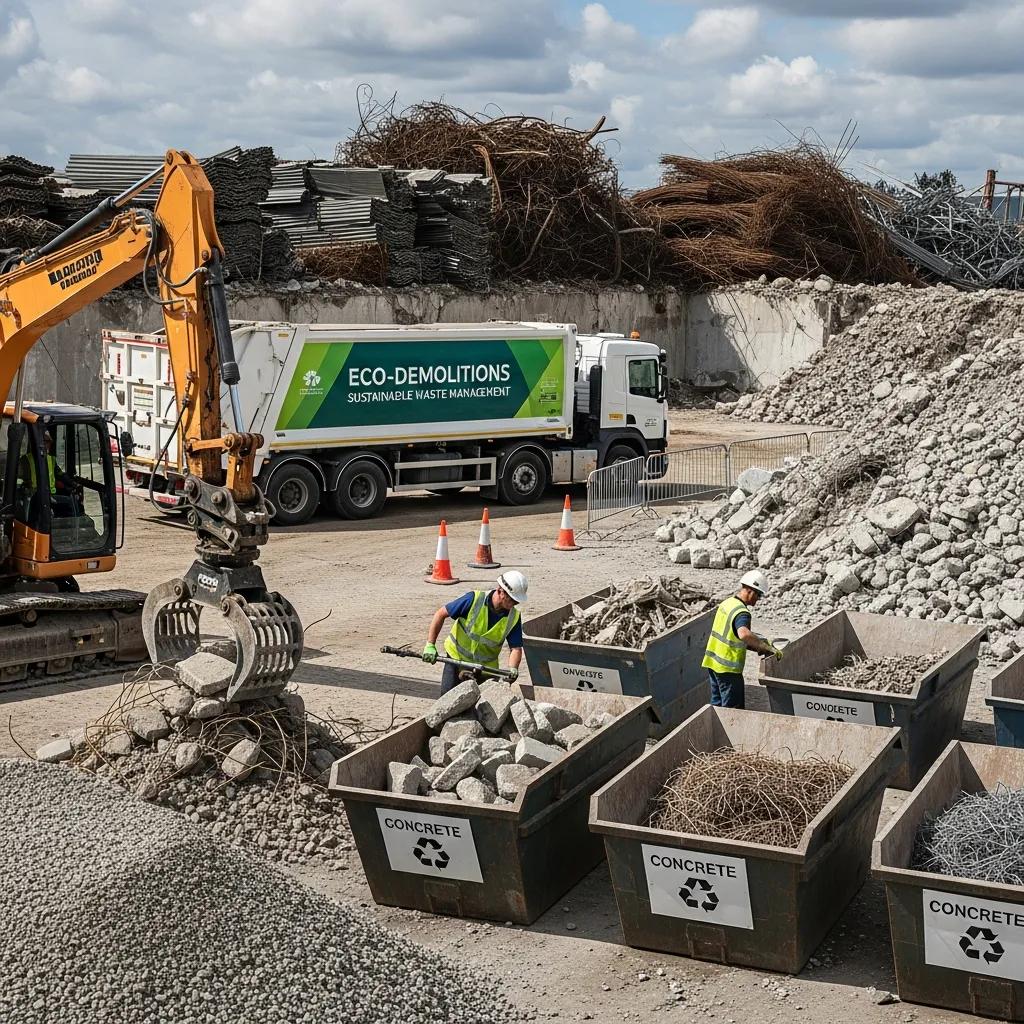
Post-demolition waste management emphasizes recycling whenever possible, adherence to proper disposal methods, and compliance with local regulations. Materials such as concrete and metals are often recyclable, so a detailed waste management plan should specify handling procedures for each waste type. Cooper City’s waste disposal services and recycling programs offer valuable resources to support sustainable demolition practices.
What Are Best Practices for Site Clearance and Restoration?
Best practices include conducting a comprehensive site assessment, applying targeted restoration techniques, and considering community impact. Assessments identify any remaining hazards or structural concerns. Restoration efforts may involve landscaping, soil remediation, and securing the site for future use. Engaging the community during restoration fosters local support and ensures the site meets Cooper City’s standards for safety and aesthetics.
Frequently Asked Questions
What types of permits are typically required for demolition projects?
Demolition projects generally require a demolition permit and environmental permits, with zoning permits sometimes necessary depending on the location and scope. If hazardous materials are present, special removal permits may be required. In Cooper City, additional local permits or inspections might be necessary. It is advisable to consult local authorities and professionals to navigate the permitting process effectively.
How can I ensure the safety of workers during a demolition project?
Worker safety is ensured through comprehensive training, proper use of PPE, and regular safety audits. Teams should be trained to identify hazards, maintain clear communication, follow emergency procedures, and participate in frequent site inspections. Involving workers in safety meetings helps cultivate a strong safety culture. Contractors in Cooper City typically adhere to both OSHA standards and local safety regulations.
What should be included in a demolition project timeline?
A demolition timeline should outline phases such as planning, permitting, site preparation, demolition, waste management, and restoration, with clear deadlines and milestones. It should account for permit approval times and potential unforeseen site conditions. Regular reviews keep stakeholders informed. Local Cooper City regulations may influence scheduling, particularly regarding noise restrictions and allowable work hours.
What are the common challenges faced during demolition projects?
Common challenges include unexpected structural issues, discovery of hazardous materials, and meeting regulatory requirements. Weather conditions can also impact timelines and safety. Effective planning, thorough risk assessments, clear communication, and contingency plans help mitigate these challenges. Cooper City’s climate and community considerations should be integrated into project planning.
What are the steps in a demolition process?
The demolition process typically involves the following key steps: initial site assessment and planning, obtaining necessary permits, preparing the site by disconnecting utilities and securing the area, executing the demolition using appropriate methods, managing and disposing of waste materials responsibly, and restoring the site for future use. Coordination with local utilities and strict compliance with municipal codes are critical throughout these stages in Cooper City.
How much does it cost to demo a 2000 sq ft house?
The cost to demolish a 2000 square foot house varies based on factors such as location, project complexity, and waste disposal requirements. On average, costs range from $8,000 to $20,000. In Cooper City, additional fees related to permits and environmental compliance may apply. Obtaining detailed quotes from local demolition contractors is recommended for accurate estimates.
How long does it take to demolish a 30 by 40 feet house?
Demolishing a house measuring 30 by 40 feet typically takes between a few days and one week. The timeline depends on factors such as the demolition method, site conditions, and permit processing times. Efficient planning and experienced crews can help minimize the duration. Cooper City’s permitting process and local regulations may also influence the schedule.
Conclusion
Successful demolition projects in Cooper City depend on thorough planning, strict adherence to safety protocols, and responsible waste management to minimize risks and environmental impact. Understanding the essential steps and partnering with experienced professionals who comply with local regulations enhances project efficiency and outcomes. For further insights and expert guidance on your next demolition project in Cooper City, explore our resources today.