

Eco-Friendly Demolition Solutions — Fort Lauderdale

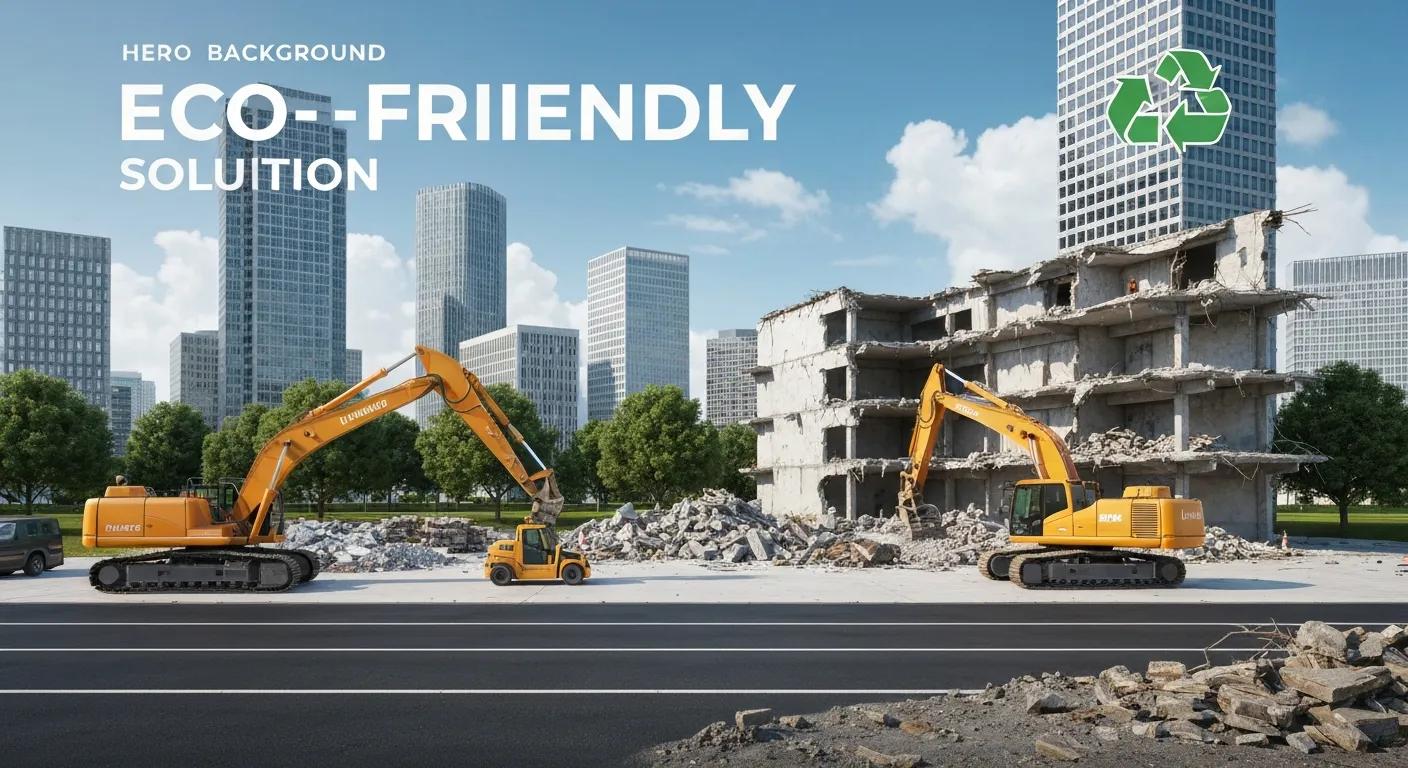
Sustainable demolition focuses on selective deconstruction, on-site sorting, and responsible waste handling to keep material out of landfills and put usable items back into circulation. This guide breaks down how green demolition works in Fort Lauderdale, why it matters for homeowners and businesses, and how local rules and green‑building standards affect planning. You’ll find a clear overview of the core processes—deconstruction, recycling, donation—plus the environmental and financial benefits of diverting waste. We also outline common service types, a typical project path from consultation to final cleanup, and answer permit, LEED, and FGBC questions so property owners can make informed decisions about sustainable demolition.
What Is Eco-Friendly Demolition and How Does It Work in Fort Lauderdale?
Eco‑friendly demolition prioritizes material recovery and waste diversion by dismantling carefully and sorting on site so items can be reused or recycled rather than landfilled. The workflow is straightforward: identify salvageable materials, remove them selectively, and route recovered goods to recyclers or donation partners. That approach reduces environmental impact and can offset costs through salvage revenue or lower disposal fees. Fort Lauderdale’s coastal setting and local waste limits make diversion especially valuable—less landfill volume means fewer truck trips and less pressure on regional disposal facilities.
Field teams follow an efficient sequence that protects neighboring properties and captures materials of value. Projects start with an assessment and finish with documented diversion results you can use for LEED or FGBC credits. The steps below describe a typical workflow.
Eco‑friendly demolition typically follows these steps:
- Assess the site, dismantle selectively, and sort materials on site to maximize recovery.
- Identify hazardous materials and complete safe abatement before structural work begins.
- Route recovered materials to recyclers, donation centers, or reuse channels to maximize diversion.
Those steps create a practical roadmap and lead into the two core processes that define green demolition: deconstruction and material recycling.
What Are the Key Processes in Green Demolition: Deconstruction and Material Recycling?
Deconstruction is a deliberate, piece‑by‑piece dismantling method that preserves materials for reuse. Recycling converts recovered components into feedstock for new products. Deconstruction reduces reliance on mechanical wrecking and focuses on hand‑removing high‑value items—doors, trim, cabinetry, structural timbers—so they can be resold or donated. Recycling channels include metal recovery for scrap, crushing concrete into recycled aggregate, and chipping wood for mulch or engineered products. Together these practices produce measurable waste diversion and supply secondary‑market materials with lower embodied carbon than virgin alternatives.
Deconstruction: Essential for Sustainable Built Environments
Deconstruction and material reuse sit near the top of the circular‑materials hierarchy: they preserve value before recycling and reduce demand for new resources. This overview explains tools and techniques, economic and policy drivers, building‑code considerations, and examples of reuse markets worldwide—demonstrating why deconstruction is a foundational strategy for sustainable built environments.
On‑site staging areas and triage zones let crews separate materials at the source, creating the cleaner streams recyclers and donation centers prefer. Cleaner streams reduce contamination, raise the value of recovered goods, and speed processing for resale or charity pickup. Reliable deconstruction crews track quantities and destinations so property owners can quantify diversion and pursue green‑building credits.
Contractors pursuing a circular approach should understand material‑management choices and document outcomes carefully.
Decision Support for Demolition Waste Management: Moving Toward Circular Practices
The construction sector faces growing pressure to cut waste, resource use, and emissions. Demolition contractors need tools to compare reuse, recycling, and recovery options so they can balance environmental goals with practical constraints. Decision‑support approaches help teams weigh technical and operational tradeoffs and select the best path for each project.
How Does Eco-Friendly Demolition Differ from Traditional Demolition?
Eco‑friendly demolition emphasizes salvage, sorting, and diversion. Traditional demolition emphasizes speed—mechanical teardown and bulk disposal—producing mixed construction and demolition (C&D) waste that typically goes to landfill. The main difference is planning and labor: sustainable methods add careful dismantling and material triage, while conventional methods reduce structures to rubble quickly. Green demolition typically cuts landfill volume and can generate salvage revenue, although it is more labor‑intensive during the dismantling phase.
Permitting and compliance also differ. Sustainable projects commonly include documentation for salvage and recycling to support LEED or FGBC goals and simplify waste reporting. Understanding these differences helps owners compare lifecycle costs, schedules, and environmental outcomes to decide whether a green approach fits their project. Next, we explain why hiring a sustainable demolition contractor multiplies these benefits.
Why Choose Sustainable Demolition Contractors in Fort Lauderdale?
A contractor who specializes in sustainable demolition brings planning expertise, salvage networks, and regulatory experience that increase diversion, lower net costs, and reduce environmental risk. They add value through pre‑demolition audits, salvage plans, crews trained in deconstruction, and established relationships with recyclers and donation centers. For owners, that delivers three clear benefits: verified waste diversion, potential salvage revenue, and lower regulatory risk from proper hazardous‑material handling and permitting. Choosing a contractor familiar with Fort Lauderdale ensures they understand regional disposal limits and local donation channels.
Below is a compact comparison of typical environmental and economic outcomes for projects that prioritize deconstruction versus standard demolition.
| Outcome Category | Typical Sustainable Result | Practical Impact |
|---|---|---|
| Waste Diversion Rate | 60–90% depending on deconstruction intensity | Significantly reduces landfill volumes and disposal fees |
| Material Recovery | High‑value items salvaged (wood, metal, fixtures) | Potential resale/donation revenue and reuse |
| Emissions | Lower lifecycle CO2 due to recycled materials | Reduced embodied carbon in replacement materials |
This comparison shows how focused recovery strategies translate into real outcomes for Fort Lauderdale projects. The ranges reflect common industry results and make a clear case for sustainable demolition.
- Lower landfill fees and simpler disposal logistics thanks to higher diversion.
- Salvage revenue that can offset demolition costs or support local charities.
- Compliance expertise that reduces delays and regulatory exposure.
These benefits conserve resources and align demolition work with community sustainability goals. Next, we outline the specific eco‑friendly demolition services available in Fort Lauderdale and how they vary by project type.
Environmental and Economic Benefits EAV Table
The table below summarizes environmental and economic benefits in an Entity–Attribute–Value format so owners can compare project outcomes.
| Benefit | Measure | Typical Value |
|---|---|---|
| Waste Diversion | Typical Rate | 60–90% depending on deconstruction intensity |
| Disposal Cost Reduction | Fee Savings | Varies by landfill and haul distance; often significant |
| Reclaimed Material Value | Revenue Potential | Salvage and metal recovery can offset labor costs |
Tracking these metrics on every project is essential to realize cost offsets and support certification credits.
What Are the Types of Eco-Friendly Demolition Services Offered in Fort Lauderdale?
Eco‑friendly demolition adapts to project size and goals using strategies like salvage, on‑site sorting, and targeted recycling. Residential jobs typically reclaim fixtures, cabinetry, and lumber for resale or donation. Commercial work focuses on large‑scale metal recovery and concrete recycling. Interior selective demolition minimizes disruption in occupied spaces and preserves reusable components. Pool demolition and land clearing often include concrete crushing and reuse of organic material to reduce off‑site disposal.
- Residential deconstruction: Salvaging finishes and appliances for resale or donation.
- Commercial demolition: Metal recovery, concrete recycling, and segregated loads to maximize diversion.
- Interior/selective demolition: Targeted removal that preserves structure and salvages usable components.
- Pool and concrete demolition: Concrete crushing and sediment management to recycle material and cut landfill disposal.
Each service produces different material mixes and diversion opportunities. Choosing the right approach depends on whether the owner values reuse, resale, or faster site turnover. The table below summarizes typical actions and outcomes by service type.
| Service Type | Typical Sustainable Actions | Examples / Outcomes |
|---|---|---|
| Residential | Salvage, donation, on‑site sorting | Recovered cabinetry, doors, timber; donations to resale centers |
| Commercial | Metal recovery, concrete recycling, segregated loads | Recycled scrap metal, crushed concrete for aggregate |
| Pool & Concrete | Concrete crushing, sediment management | Recycled concrete aggregate used for fill or pavement |
This breakdown helps owners pick services that match environmental goals and site needs. The sections that follow explain how residential and commercial projects capture these benefits in real work.
How Does Residential Eco Demolition Promote Sustainable Home Renovations?
Residential eco demolition preserves reusable finishes and structural materials homeowners can repurpose, sell, or donate—reducing demand for new materials. The process starts with a pre‑demolition walkthrough to identify salvageable items and create a prioritized salvage list, followed by careful hand removal to protect valuable pieces. Salvaged goods can enter resale markets or support local charities, cutting disposal costs and supporting community reuse. Although labor affects cost, strategic salvage planning often recovers enough value to offset added effort—and may offer tax or donation benefits.
Homeowners should expect a clear salvage plan, a timeline for selective dismantling, and a written agreement on which items will be retained or removed. Good documentation and coordination keep reuse goals on track without delaying the renovation.
What Are the Benefits of Commercial Sustainable Demolition for Businesses?
Commercial projects benefit from lower disposal fees, material recovery revenue, and alignment with corporate sustainability and ESG goals. Large volumes of metal, concrete, and fixtures make commercial sites ideal for recovery programs that produce measurable savings and reliable diversion statistics. Businesses pursuing LEED or FGBC certification can document diversion rates and recycled‑content usage to earn credits. Sustainable demolition also reduces reputational risk by demonstrating responsible waste management to stakeholders and the community.
Businesses typically track KPIs such as tons diverted, percent recycled, and schedule adherence to keep downtime low. When reported, these KPIs feed corporate sustainability reports and influence future procurement decisions.
Next, we walk through how a sustainable demolition project unfolds with an experienced provider in Fort Lauderdale.
How Does the Eco-Friendly Demolition Process Work at Miller & Myers Group Demolition?
At Miller & Myers Group Demolition, we run eco‑friendly projects with a clear focus on salvage planning, safety, and maximizing recovery while meeting local regulations. We begin with a site consultation and assessment to identify salvageable materials, hazardous items, and logistical constraints. That assessment becomes a deconstruction plan with defined deliverables—salvage lists, permit documents, estimated diversion targets—and a schedule that minimizes disruption to neighbors. Safety and compliance are non‑negotiable: hazardous materials are identified and abated by licensed professionals before deconstruction, and on‑site sorting zones are set up to produce clean streams for recyclers and donation partners.
The numbered steps below summarize our workflow for clarity and easy reference.
- Consultation and site assessment with a salvage inventory and hazard identification.
- Permitting support and a deconstruction plan outlining salvage, sorting, and disposal paths.
- Selective dismantling, on‑site sorting into dedicated bins, and licensed hazardous‑material abatement.
- Routing materials to recyclers, crushers, or donation centers and documenting diversion.
- Final site cleanup, plus delivery of diversion reports and disposal manifests.
These steps show how Miller & Myers blends operational discipline with sustainability. We are licensed and insured (LIC.#CGC1523237) and serve Miami‑Dade and Broward Counties, including Fort Lauderdale. Our approach balances material recovery with project schedules and safety.
What Are the Steps from Consultation to Final Site Cleanup?
On consultation we evaluate the structure, estimate salvage potential, and plan hazardous‑material testing. That work defines the deconstruction scope and schedule and produces a salvage inventory and permit checklist for permit applications and crew mobilization. During execution, skilled crews perform staged deconstruction with on‑site triage areas for wood, metal, concrete, and mixed debris to reduce contamination and boost recycling value. After demolition, materials go to appropriate processors or donation centers, and the site is swept, graded, and prepared for the next phase. We provide documentation to verify diversion and regulatory compliance.
Timelines vary with project size and complexity, but early permitting and hazard assessment reduce schedule risk. Clear deliverables at each stage—salvage lists, manifests, and cleanup sign‑offs—help property owners track progress and results.
How Are Materials Sorted, Recycled, and Donated During Demolition?
Materials move through a practical triage model: the initial assessment isolates high‑value salvage, then sortable materials go to dedicated zones for metal, clean wood, concrete, and mixed debris. Metals are baled or boxed for scrap processors, clean concrete is crushed into recycled concrete aggregate, and reusable wood and fixtures are staged for resale or donation to community partners. Regulated hazards such as asbestos‑containing materials are isolated and removed under legal protocols before wider deconstruction. This sorting improves diversion rates and often lowers net project costs thanks to recovered material value.
We document each load—destination and tonnage—so owners can claim diversion rates and support LEED or FGBC credits. The next section covers local rules and green‑building standards that shape these choices in Fort Lauderdale.
What Are the Local Regulations and Green Building Standards for Demolition in Fort Lauderdale?
Demolition projects in Fort Lauderdale must follow city and county permits, environmental controls, and hazardous‑material notification rules, all of which interact with green‑building standards like LEED and the Florida Green Building Coalition (FGBC). Common permits include a demolition permit and erosion‑ or environmental‑protection permits where grading or coastal proximity apply. If materials test positive for asbestos or lead, testing and licensed abatement are required before starting work. Sequencing permit applications and abatement early prevents delays and keeps operations safe and compliant.
| Regulation / Standard | Requirement / Benefit | Action / How We Help |
|---|---|---|
| Demolition Permit | Official authorization to demolish structures | Prepare and submit permit documents; coordinate inspections |
| Asbestos / Hazardous Materials | Testing and abatement prior to work | Arrange testing and licensed abatement contractors; manage notifications |
| LEED / FGBC Credits | Documentation for waste diversion and material reuse | Track and report diversion tonnages to support certification |
Best Practices for Sustainable Demolition and C&D Waste Recycling
A Best Practice approach relies on selective demolition and robust recycling to minimize C&D waste. Comparing current practices to a Best Practice scenario highlights where selective removal and material separation can deliver the biggest sustainability gains.
Following green‑building standards like LEED demonstrates a real commitment to sustainability and produces quantifiable benefits.
LEED Certification: A Practical Benchmark for Sustainable Buildings
LEED is widely used to measure building sustainability in the U.S. Its whole‑building approach covers site planning, water and energy efficiency, materials, waste reduction, indoor air quality, and regional priorities. Proper documentation of construction and demolition waste, material reuse, and recycled content supports LEED credits and makes sustainability measurable.
Which Permits Are Required for Eco-Friendly Demolition Projects?
Typical Fort Lauderdale permits include a demolition permit from the city or county, erosion‑ and sediment‑control permits where grading or coastal rules apply, and notifications or permits for asbestos abatement when testing finds regulated materials. Permit timelines vary, and submitting complete documentation—waste‑management plans and proof of insurance—usually speeds approvals. Common mistakes include starting work before asbestos clearance or overlooking stormwater protections; both can trigger stop‑work orders or fines.
Early contractor involvement is essential to assemble documentation and sequence abatement, permitting, and demolition to reduce delays. Proper permitting protects property owners and ensures material‑routing choices meet legal requirements.
How Do LEED and Florida Green Building Coalition Standards Influence Sustainable Demolition?
LEED and FGBC reward documented waste diversion, reuse of existing materials, and careful handling of hazardous materials. Sustainable demolition techniques can therefore contribute directly to certification credits. Specific LEED credits relate to construction and demolition waste management, recycled content, and salvaged material reuse; FGBC emphasizes regional resource conservation. The mechanism is documentation: record diversion tonnages, material reuse, and chain‑of‑custody for salvaged goods to demonstrate compliance.
Contractors who provide clear manifests and diversion reports make it straightforward for project teams to claim credits. Documented salvage and recycling support certification and strengthen sustainability messaging for stakeholders and tenants.
What Are Common Questions About Eco-Friendly Demolition in Fort Lauderdale?
Property owners commonly ask about cost differences, timelines, and whether materials can realistically be salvaged in coastal Florida projects. Short answer: green demolition can have higher upfront labor costs because of selective dismantling, but those costs are often offset by salvage revenue, lower disposal fees, and reduced regulatory risk. Feasibility depends on material condition, demand for salvage, and whether hazardous materials require abatement. A thorough pre‑demolition assessment gives realistic cost and timeline estimates for each property.
- Cost: Green demolition may cost more in labor but can be offset by recovered material value and lower landfill fees.
- Timeline: Small residential jobs may take days, mid‑size commercial projects weeks, and larger or hazardous‑material jobs longer due to abatement and permitting.
These quick answers point to the more detailed cost drivers and timeline variables covered below.
Does Green Demolition Cost More Than Traditional Methods?
Selective dismantling usually requires more labor than mechanical teardown, which can increase upfront costs. But sustainable demolition often becomes cost‑competitive when you factor in salvage value, lower landfill tipping fees, and incentives tied to waste diversion or green certification. Metal and clean concrete recovery, for example, generate measurable revenue or material credits and documented diversion can reduce disposal surcharges. Evaluating lifecycle costs rather than just initial bids usually favors sustainable demolition when salvageable materials and recycling routes exist.
We recommend a pre‑demolition assessment to quantify salvage potential and estimate offsets so owners can compare net project costs and choose the best fit for their budget and sustainability goals.
How Long Does Sustainable Demolition Typically Take?
Timelines depend on scope, salvage intensity, presence of hazardous materials, and permitting lead times. Durations range from a few days for small residential tear‑outs to several weeks for medium commercial projects. Selective dismantling takes longer than mechanical demolition because it requires careful removal and sorting, but experienced crews and efficient staging can shorten schedules. Asbestos abatement and permit approvals are common delay sources, so early testing and proactive permit submission are important.
Owners should build in buffer time for testing and permits and engage a contractor early to develop a realistic schedule tied to project milestones.
For exact estimates for your property, request an assessment from a licensed local contractor who can provide documented diversion projections and a site‑based timeline. Miller & Myers Group Demolition is licensed and insured (LIC.#CGC1523237) and works across Miami‑Dade and Broward Counties, including Fort Lauderdale. We provide assessments, permitting support, and full eco‑friendly demolition plans.
- If you want an estimate or to discuss a sustainable demolition plan, request a consultation that includes a salvage assessment and diversion estimate.
- Always ask for license and insurance documentation to confirm contractor compliance with local rules.
This guide has covered the lifecycle of eco‑friendly demolition in Fort Lauderdale—from core principles and processes to contractor‑managed steps and regulatory details.
Frequently Asked Questions
What are the benefits of eco-friendly demolition for the environment?
Eco‑friendly demolition reduces landfill waste by prioritizing material recovery and recycling. That lowers greenhouse gas emissions, conserves natural resources, and supports a circular economy. Reusing salvaged materials reduces demand for new products and strengthens local reuse channels, delivering measurable environmental benefits.
How can businesses benefit from eco-friendly demolition practices?
Businesses can reduce disposal costs and capture revenue from salvaged materials. Sustainable demolition supports corporate sustainability and ESG goals and provides documented metrics for LEED or FGBC certification. Over time, these practices can lower operational costs, improve stakeholder perception, and support sustainability reporting.
What should property owners consider when selecting a demolition contractor?
Choose a contractor with proven experience in eco‑friendly methods and local permitting. Verify licensing and insurance, ask about salvage networks and material‑tracking procedures, and request sample diversion reports. A contractor with a track record in sustainable demolition maximizes salvage potential and minimizes regulatory and schedule risk.
How does eco-friendly demolition impact local communities?
Eco‑friendly demolition benefits communities by diverting materials to resale outlets and charities, supporting local reuse economies, and reducing waste sent to landfills. It also lowers hauling emissions and helps protect neighborhood health and coastal resources through better waste management.
What are the common challenges faced during eco-friendly demolition projects?
Common challenges include identifying and safely handling hazardous materials, navigating permitting, and managing timelines. Hazardous materials like asbestos or lead need testing and licensed abatement, which can add time and cost. Early planning, experienced contractors, and thorough pre‑demolition assessments reduce these risks.
Can eco-friendly demolition be applied to all types of buildings?
Yes. Eco‑friendly demolition can be adapted for residential, commercial, and industrial properties. The approach varies by size, materials, and reuse goals—residential work often focuses on fixtures and finishes, while commercial projects prioritize metal and concrete recovery. A tailored assessment and plan maximize recovery for any building type.
What types of materials can be salvaged during eco-friendly demolition?
Many materials are salvageable: structural timber (beams, joists), fixtures (sinks, cabinets), and finishes (flooring, trim). The focus is on items with resale or reuse value; a careful pre‑demolition assessment identifies the best candidates and maximizes recovery for donation or resale.
How can homeowners prepare for an eco-friendly demolition project?
Homeowners should start with a walkthrough to identify salvageable items and engage a sustainable demolition contractor early. The contractor will advise which materials to keep, recycle, or donate. Gather permits and inspection reports, and clearly communicate reuse goals—early planning streamlines the job and increases material recovery.
What are the environmental impacts of traditional demolition methods?
Traditional demolition often sends large volumes of mixed C&D waste to landfills because mechanical teardown mixes materials, making recycling difficult. That increases landfill use, hauling emissions, and the loss of reusable materials. Eco‑friendly demolition reduces these impacts by prioritizing recovery and diversion.
Sustainable C&D Waste Management: A Lifecycle Approach
Construction and demolition waste accounts for a large share of municipal solid waste, yet much of it has residual value and can be recycled, salvaged, or reused. A lifecycle approach to C&D management maximizes the 3Rs—reduce, reuse, recycle—and minimizes disposal through integrated strategies across a project’s life.
Are there financial incentives for choosing eco-friendly demolition?
Yes. Owners can save on disposal fees, earn revenue from salvaged materials, and sometimes access local or state incentives for sustainable projects. Documenting waste diversion and material reuse can also improve eligibility for tax benefits or grants tied to sustainability programs, making green demolition financially attractive in many cases.
How does eco-friendly demolition contribute to community sustainability?
By diverting materials from landfills and returning salvaged items to local reuse channels, eco‑friendly demolition supports a circular economy and helps charities and small businesses. It reduces greenhouse gas emissions and conserves resources, aligning demolition work with broader community sustainability goals.
What role do local regulations play in eco-friendly demolition projects?
Local regulations set requirements for waste management, hazardous‑material handling, and permits. In Fort Lauderdale, compliance with city and county rules ensures safe, lawful demolition. Many regulations require documentation of waste diversion and recycling—information that also supports green certifications like LEED. Following these rules avoids fines and helps achieve sustainability objectives.
Conclusion
Choosing eco‑friendly demolition in Fort Lauderdale reduces environmental impact and recovers valuable materials—often with financial upside. Working with a specialized contractor helps you meet local rules, document diversion, and support community sustainability goals. Selective dismantling and thoughtful recycling deliver measurable waste diversion and potential cost offsets, making sustainable demolition a smart choice for many projects. To discuss how this approach fits your property, contact us for a consultation.
Conclusion
Opting for eco‑friendly demolition in Fort Lauderdale reduces environmental impact while maximizing material recovery—and it can deliver financial benefits. Working with a specialized contractor ensures compliance with local regulations, clear documentation of waste diversion, and alignment with community sustainability initiatives. Selective dismantling and recycling can achieve significant diversion rates and cost savings, making sustainable demolition a practical choice for many property owners. To learn how this approach can work for your property, reach out for a consultation today.