

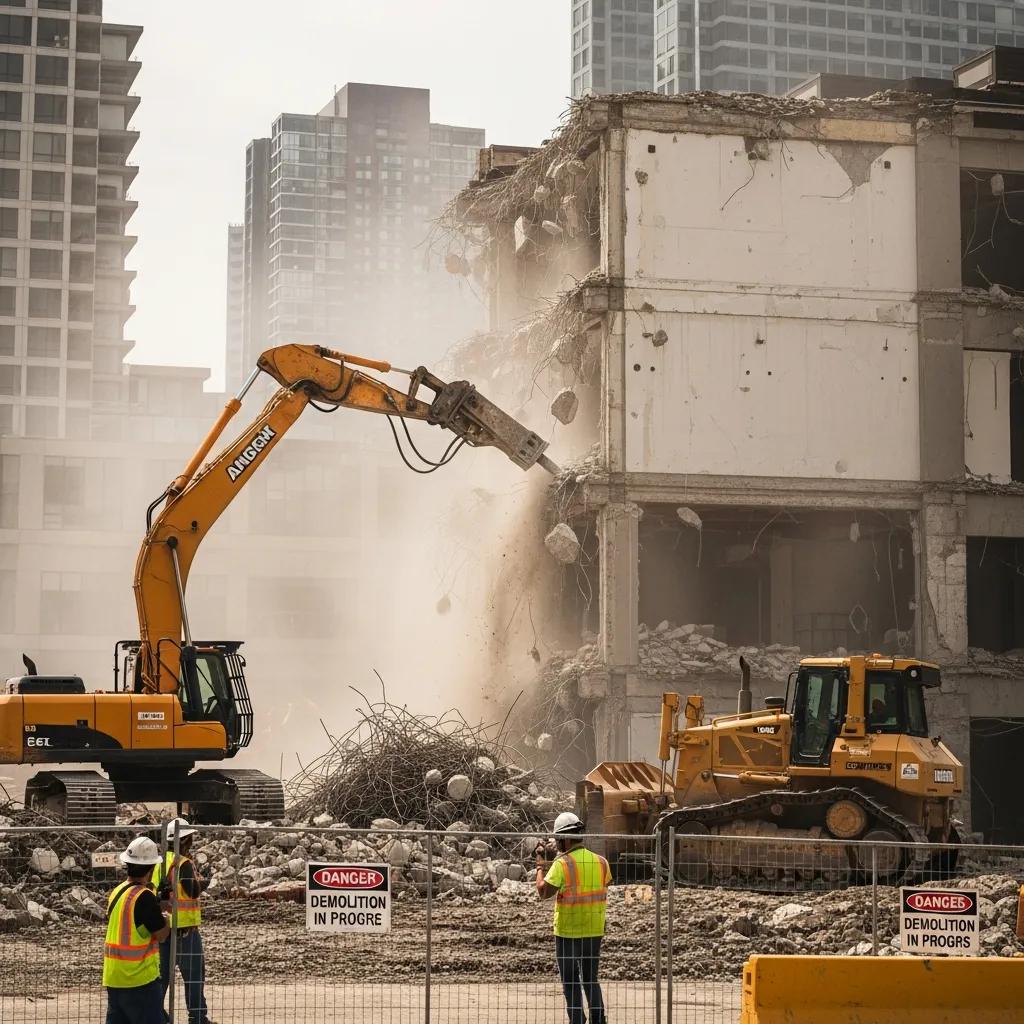
Secrets of Efficient Commercial Demolition: Expert Services and Safety for Plantation and Cooper City Property Owners
Commercial demolition requires careful dismantling of buildings while meeting safety rules and regulations. This comprehensive guide covers planning, safety procedures, proven techniques, and environmental compliance tailored for property owners in Plantation and Cooper City. It provides practical steps to reduce risk and improve safety, ensuring projects meet local standards. Key topics include permits, safety measures, equipment choices, environmental sustainability, and how emergency tree services integrate into the demolition process.
What Are the Essential Steps in Commercial Demolition Planning and Permits?
Securing permits and thorough planning are the first priorities in any commercial demolition project. These steps confirm legal compliance and prevent costly delays. Proper planning involves assessing the site, understanding local regulations in both Plantation and Cooper City, and preparing for potential challenges such as hazardous materials or structural complexities.
How to Obtain Required Permits for Commercial Demolition in Plantation and Cooper City
To obtain the necessary permits for commercial demolition in Plantation and Cooper City, property owners should follow these steps:
- Research Local Regulations : Understand the specific requirements for demolition permits in your area, including zoning laws, environmental restrictions, and safety regulations unique to Plantation and Cooper City.
- Prepare Documentation : Gather all required documents, including detailed site plans, environmental assessments, proof of ownership, and any reports on hazardous materials.
- Submit Application : Complete and submit the permit application to the respective local authorities, ensuring all information is accurate and complete to avoid delays.
- Await Approval : The approval process may take several weeks; plan your project timeline accordingly to accommodate this period.
What Are the Key Considerations in Demolition Project Management?
Effective project management is critical to keeping demolition work safe, on schedule, and within budget. Focus on clear budgets, realistic timelines, and strict safety protocols. These elements limit surprises and protect workers, the public, and the environment.
- Budget Management : Establish a comprehensive budget that accounts for labor, equipment, permits, disposal costs, and contingencies for unexpected issues.
- Timeline Adherence : Develop a realistic timeline with milestones and ensure all team members understand their responsibilities to maintain project momentum.
- Safety Protocols : Implement and enforce strict safety measures, including regular safety meetings, hazard assessments, and emergency response plans tailored to the specific site conditions in Plantation and Cooper City.
How Do Demolition Safety Procedures Ensure Risk Prevention and Compliance?
Safety procedures are essential to reduce harm and ensure projects comply with local, state, and federal regulations. They protect workers, the public, and the environment throughout all demolition stages.
Clear rules combined with a dedicated safety budget are key to identifying and eliminating potential risks in demolition projects.
Demolition Safety: Rules, Regulations, and Risk Elimination
Well-structured rules and a safety budget help eliminate potential risks in demolition projects.
Development of a framework for risk assessment in building demolition works, DJ Patel, 2023
Which Safety Measures Reduce Injury Risks During Commercial Demolition?
Several targeted safety measures significantly reduce injury risks during demolition:
- Personal Protective Equipment (PPE) : Ensure all workers wear appropriate PPE, including hard hats, gloves, safety goggles, high-visibility clothing, and respiratory protection when necessary.
- Site Safety Protocols : Establish clear safety protocols such as controlled site access, signage, barricades, and emergency response plans specific to the demolition environment.
- Training Requirements : Provide comprehensive training for all workers on safety practices, equipment operation, hazard recognition, and emergency procedures.
How Are OSHA and Local Regulations Integrated into Demolition Safety Protocols?
Integrating OSHA standards with local regulations in Plantation and Cooper City requires regular inspections, thorough documentation, and continuous updates to safety procedures. These steps demonstrate compliance and foster a culture of safety.
- Regular Inspections : Conduct frequent safety inspections to ensure adherence to OSHA standards and local safety codes.
- Documentation : Maintain detailed records of safety training, inspections, incident reports, and corrective actions to provide accountability and transparency.
- Continuous Improvement : Update safety protocols regularly based on new regulations, technological advancements, and lessons learned from past projects.
What Are the Most Effective Demolition Equipment and Techniques for Commercial Building Teardown?
Choosing the right equipment and demolition techniques enhances efficiency and safety. The selection depends on building type, project scale, and site conditions in Plantation and Cooper City.
How Do Industrial Demolition Contractors Choose Equipment for Efficient Site Clearance?
Industrial demolition contractors evaluate project size, safety features, environmental impact, and cost-effectiveness when selecting equipment. The right balance accelerates work while minimizing risks and environmental footprint.
- Project Size Considerations : Larger projects may require heavy machinery such as excavators with hydraulic breakers, cranes with wrecking balls, or high-reach arms, while smaller projects might use manual or selective demolition tools.
- Safety Features : Equipment equipped with advanced safety technologies, such as proximity sensors and operator protection systems, helps reduce accidents.
- Cost-Effectiveness : Contractors balance equipment rental or purchase costs against operational efficiency and project deadlines.
What Are the Advantages of Modern Demolition Methods in Speed and Safety?
Modern demolition methods and machinery improve project speed and worker safety while supporting environmental sustainability.
- Efficiency Improvements : Advanced machinery and techniques, such as robotic demolition and precision cutting, reduce project timelines and labor intensity.
- Safety Enhancements : Modern equipment often includes features like remote operation and dust suppression systems to protect workers and nearby communities.
- Environmental Benefits : Techniques that facilitate material segregation and recycling reduce landfill waste and promote sustainable resource use.
How Is Environmental Compliance and Waste Management Handled in Commercial Demolition?
Environmental compliance and responsible waste management are critical components of commercial demolition. Proper disposal, recycling, and pollution control ensure projects meet legal requirements and minimize ecological impact.
Sustainable construction and demolition (C&D) waste management is vital because much demolition material can be recycled or reused, protecting public health and ecosystems in Plantation, Cooper City, and beyond.
Sustainable C&D Waste Management for Environmental Protection
The construction and demolition (C&D) waste generated by the Canadian construction industry accounts for 27 % of the total municipal solid waste disposed in landfills. However, it is evident that over 75 % of what the construction industry generates as waste has a residual value, and therefore could be recycled, salvaged and/or reused. The need for comprehensive and integrated waste management mechanisms, technologies, rating systems and policies is widely recognized. Owing to increasing C&D waste volumes, shortage of landfills and long-term adverse environmental, economic and social impacts of the disposed C&D waste, sustainable C&D waste management is becoming increasingly essential to protect public health and natural ecosystems.
An overview of construction and demolition waste management in Canada: a lifecycle analysis approach to sustainability, K Hewage, 2013
What Are Sustainable Practices for Demolition Waste Disposal and Recycling?
Sustainable practices include recycling steel, concrete, and wood, handling hazardous materials correctly, and reducing waste generation at the source. These steps lower disposal costs and environmental impact while supporting circular economy principles.
- Material Recycling : Salvaging materials such as steel, concrete, wood, and bricks for reuse in new construction projects or resale.
- Hazardous Waste Management : Properly identifying, handling, and disposing of hazardous materials like asbestos, lead-based paint, and chemicals in compliance with environmental regulations.
- Waste Reduction Strategies : Implementing on-site sorting, deconstruction techniques, and efficient logistics to minimize waste sent to landfills.
Adopting a circular-economy approach boosts resource efficiency by increasing the use of recycled materials and conserving natural resources.
Circular Economy & Resource Efficiency in Demolition Management
The construction and public work sectors are faced with a series of challenges that will need to be addressed in moving towards an effective circular economy model. The aim of this work was to develop a simple but holistic approach to the management of construction projects in order to ensure compliance with technical standards and environmental criteria right from the set-up phase and to foster an increased use of recycled materials and saving of natural resources.
Demolition and construction recycling unified management: the DECORUM platform for improvement of resource efficiency in the construction sector, A Luciano, 2015
How Do Demolition Companies Meet EPA and Local Environmental Guidelines?
Demolition companies in Plantation and Cooper City meet EPA and local environmental guidelines by conducting thorough environmental assessments, implementing best practices for waste and pollution control, and maintaining transparent reporting to regulatory authorities.
- Conducting Environmental Assessments : Evaluating the site for potential environmental hazards such as soil contamination, protected species, or water runoff issues before demolition begins.
- Implementing Best Practices : Utilizing dust control measures, noise reduction techniques, and proper waste segregation to minimize environmental impact.
- Regular Reporting : Providing timely reports to local environmental agencies to demonstrate compliance and address any concerns promptly.
How Do Emergency Tree Services Integrate with Commercial Demolition for Site Clearance?
Coordinating emergency tree services with commercial demolition projects in Plantation and Cooper City ensures the site is safe, accessible, and compliant with local ordinances. Trees and vegetation can pose hazards if not properly managed before demolition begins.
Why Is Tree Removal Critical for Safe and Efficient Demolition Projects?
Tree removal is critical because trees can obstruct access, endanger workers, and damage equipment. Removing or managing trees before demolition enhances site safety and operational efficiency.
- Safety Considerations : Trees may interfere with demolition machinery or fall unpredictably, posing risks to workers and nearby structures.
- Efficiency Improvements : Clearing trees beforehand creates a safer, more navigable work area, facilitating faster demolition progress.
- Risk Mitigation : Proper tree removal reduces the risk of damage to utilities, adjacent properties, and the environment.
What Are the Benefits of Emergency Tree Removal Services in Demolition Risk Management?
Emergency tree removal services provide rapid response to unexpected tree hazards, enhancing on-site safety and preventing costly project delays or damage.
- Quick Response Times : These services can promptly address tree-related emergencies such as storm damage or unstable limbs during demolition.
- Safety Enhancements : Professional tree removal minimizes accident risks and ensures compliance with local safety standards.
- Cost-Effectiveness : Early intervention reduces the likelihood of expensive repairs, insurance claims, or project hold-ups.
What Local Commercial Demolition Services Are Available in Plantation and Cooper City?
Plantation and Cooper City offer a wide range of commercial demolition services, including full teardown crews, specialized waste handling, hazardous material abatement, and emergency tree removal. Understanding the available services helps property owners select the right contractor for their specific needs.
How to Choose Reliable Demolition Contractors in Plantation and Cooper City?
When selecting reliable demolition contractors in Plantation and Cooper City, consider the following criteria:
- Experience and Reputation : Choose contractors with extensive experience in commercial demolition projects and positive client testimonials within the local area.
- Licensing and Insurance : Verify that contractors hold all necessary licenses and insurance coverage to protect against liabilities and ensure compliance with local regulations.
- Client Testimonials and References : Review feedback from previous clients and request case studies or references to assess the contractor’s quality and professionalism.
- Environmental and Safety Commitment : Prefer contractors who demonstrate strong adherence to environmental standards and safety protocols.
What Are Proven Results and Case Studies of Local Demolition Projects?
Case studies provide insight into how contractors manage similar projects, showcasing their capabilities and results. Look for clear examples, measurable outcomes, and client satisfaction to evaluate potential contractors.
- Project Examples : Detailed descriptions of completed demolition projects, including scope, challenges, and solutions.
- Results Achieved : Metrics such as project duration, safety records, cost management, and environmental compliance.
- Client Feedback : Testimonials highlighting the contractor’s reliability, communication, and quality of work.
Frequently Asked Questions
What should I consider when planning a commercial demolition project?
When planning, assess the site thoroughly, review local regulations in Plantation and Cooper City, identify environmental risks, secure the necessary permits, and collaborate with experienced professionals to ensure safety, budget adherence, and timely completion.
How can I ensure the safety of workers during demolition?
Ensure worker safety through comprehensive training, strict enforcement of PPE use, controlled site access, clear communication, and well-prepared emergency response plans. Regular safety inspections and fostering a safety-first culture are also essential.
What types of waste are generated during commercial demolition?
Demolition generates various waste types including concrete, wood, metal, drywall, and sometimes hazardous materials like asbestos or lead-based paint. Implementing a waste management plan that emphasizes sorting, recycling, and responsible disposal reduces environmental impact and regulatory risks.
How do I find qualified demolition contractors in my area?
Research local demolition firms in Plantation and Cooper City by checking licenses, insurance, and client reviews. Request references and case studies, and meet contractors to discuss your project scope, timeline, and safety approach.
What are the environmental impacts of commercial demolition?
Demolition can produce waste, dust, noise, pollution, and habitat disruption. Proper planning, environmental assessments, recycling programs, and adherence to regulations help minimize these impacts and promote sustainability.
What role does emergency tree removal play in demolition projects?
Emergency tree removal addresses hazards that could delay or endanger demolition work. Removing risky trees early protects workers, equipment, and nearby structures, helping maintain project schedules and safety standards.
How much to charge for commercial demolition?
The cost for commercial demolition varies based on project size, complexity, location, and disposal requirements. Contractors typically charge per square foot or by debris volume. Accurate estimates consider labor, equipment, permits, waste disposal, and potential environmental remediation.
How long does it take to demolish a 30 by 40 feet house?
Demolishing a 30 by 40 feet house generally takes from a few days up to a week, depending on construction type, site accessibility, and disposal logistics. Efficient planning and appropriate equipment can help complete the demolition within this timeframe.
What are the 4 methods of demolition?
The four common methods of demolition include:
- Implosion : Using controlled explosives to collapse a structure inwardly.
- Wrecking Ball : Employing a heavy ball swung by a crane to break down structures.
- High-Reach Arm : Utilizing long-reach excavators equipped with demolition tools for precise dismantling.
- Selective Demolition : Carefully removing specific parts of a building for reuse or to protect surrounding structures.
Conclusion
Understanding the comprehensive steps and risks involved in commercial demolition empowers property owners in Plantation and Cooper City to manage projects safely, compliantly, and efficiently. By following thorough planning, stringent safety protocols, sustainable waste management practices, and hiring experienced contractors, property owners can achieve successful demolition outcomes while minimizing environmental impact and stress.