

How to Save on Demolition Costs in Cooper City: Affordable Strategies and Local Insights
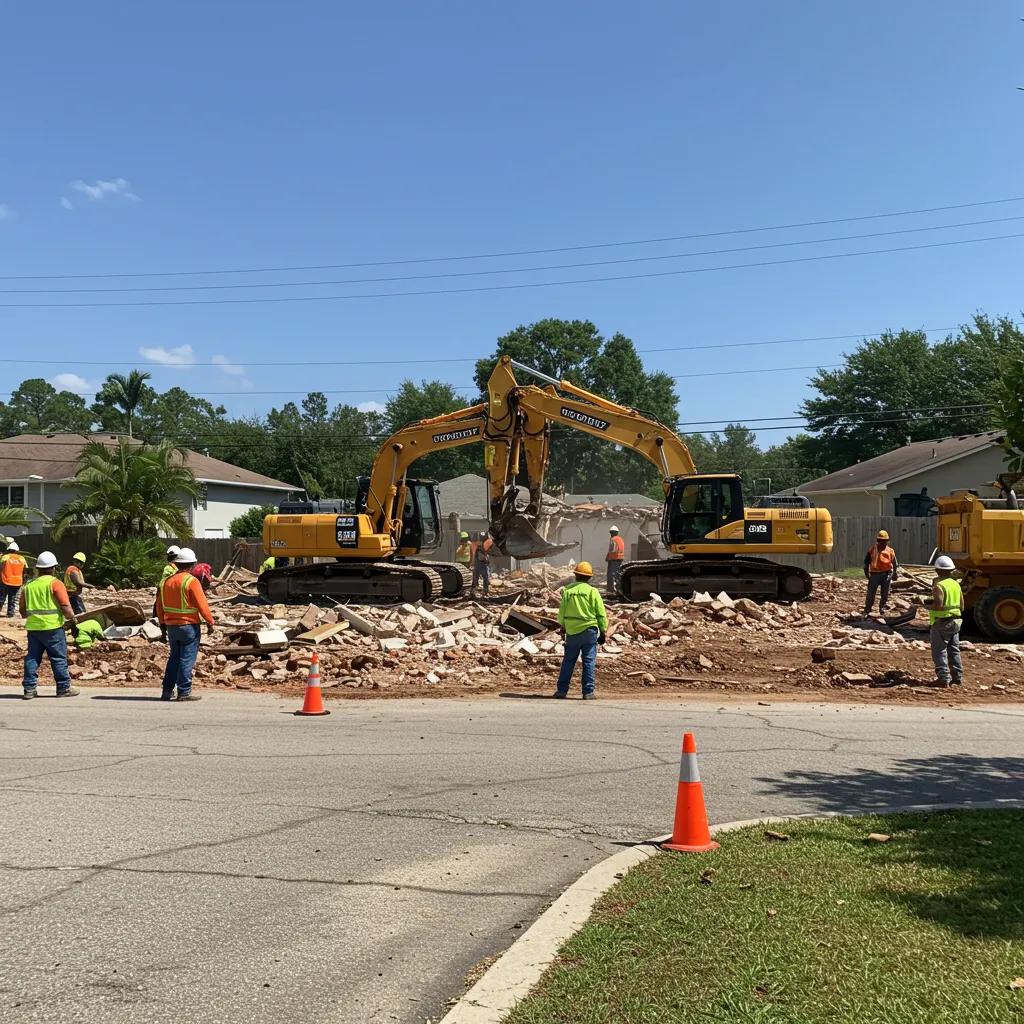
Demolition projects in Cooper City can escalate in cost quickly when unknown variables like permits, hazardous materials, and disposal fees are not anticipated, but practical planning and targeted strategies reduce expenses without compromising safety. This guide teaches homeowners and commercial property owners how to control demolition costs through clear cost drivers, selective demolition, debris management, and pre-demolition planning tailored to Cooper City and Broward County regulations. Provide quality comprehensive demolition services. By combining local permit awareness, material recycling, accurate bids, and scheduling tactics, you can lower your total spend while protecting timelines and compliance. The article maps key cost drivers, actionable savings strategies, debris and hazmat handling, company considerations, planning checklists, and local case-study evidence so you can make informed choices and compare contractors effectively. Throughout, we reference practical examples of how contractors implement these strategies so you know what to expect when seeking affordable demolition in Cooper City.
What Are the Key Factors Influencing Demolition Costs in Cooper City?
Demolition costs are driven by a small set of core variables that determine labor, equipment, and disposal needs, and understanding each factor clarifies where savings are possible. The primary drivers include the project type, overall size and complexity, presence of hazardous materials, required permits and inspections, debris removal and local disposal fees, and site accessibility that affects machine choice and labor hours. Each factor interacts: hazardous materials increase testing and abatement costs, while limited access raises labor and equipment mobilization charges, so breaking them down helps estimate realistic budgets. Below is a concise comparison table that maps these cost drivers to typical local ranges to help you set expectations before soliciting quotes.
| Project Element | Attribute | Typical Local Impact / Range |
|---|---|---|
| Residential demolition | Cost per sq ft | $6–$15 per sq ft (varies by complexity) |
| Commercial demolition | Cost profile | Higher mobilization, $15–$30+ per sq ft |
| Hazardous material abatement | Testing / abatement cost | $500–$5,000+ depending on asbestos/lead extent |
| Debris removal | Disposal & transfer station fees | Variable; concrete and mixed loads cost more |
| Site accessibility | Equipment & labor adjustment | Narrow lots incur higher labor and equipment rental |
This comparison clarifies how combinations of attributes affect final bids and points directly to which items are negotiable or reducible. Understanding these values prepares you to ask targeted questions of contractors and to prioritize where to invest in testing, salvage, or permits to prevent costly surprises.
How Do Different Types of Demolition Affect Your Budget?
Different demolition hyponyms—residential demolition, commercial demolition, concrete demolition, pool demolition, interior selective demolition—carry distinct cost structures because labor, equipment, and disposal needs vary substantially. Residential whole-structure demolition often requires heavy machinery, structural shoring, and larger debris volumes, driving per-square-foot costs, while interior demolition focuses on selective removal of fixtures and walls and typically reduces disposal volumes and permits. Selective demolition or deconstruction can salvage valuable materials like cabinetry, fixtures, and metal, offsetting disposal with resale revenue and lowering net cost. Comparing pool demolition or concrete removal, which often involves heavy concrete disposal fees, to interior selective work highlights why choosing the right demolition type is one of the fastest ways to control project expense and scheduling.
What Role Do Permits and Local Regulations Play in Demolition Pricing?
Permits, local inspections, and utility disconnects form meronomic parts of the demolition process—permit acquisition, inspections, and compliance tasks are indivisible components that directly increase cost when unplanned. Cooper City and Broward County requirements determine permit fees, required inspections, and timelines; delays from incomplete permit applications can extend project duration and add mobilization or standby charges. Responsibility for permits can fall to the owner or contractor, depending on contract terms, and clarifying this upfront avoids surprise fees. Early permit checks and coordinated utility disconnections reduce downtime and help contractors provide accurate, itemized estimates that reflect real compliance costs and timelines.
How Can You Effectively Reduce Your Demolition Expenses in Cooper City?
Effective cost reduction targets negotiable elements of the project: scope clarity, material salvage, scheduling, and competitive bidding. Start by gathering multiple detailed, itemized quotes that separate labor, equipment, disposal, permits, and abatement so you can compare apples-to-apples; transparency in bids enables negotiation and scope trimming. Adopt selective demolition where practical to recover resale value from fixtures and metals and reduce disposal fees, and use recycling centers for concrete and metal to lower transfer station costs. Flexibility in scheduling and bundling tasks (permit work, testing, abatement, demolition) can reduce mobilization and rush premiums and create opportunities for seasonal or off-peak discounts from contractors.
Below are eight practical, prioritized strategies to reduce demolition expenses in Cooper City.
- Get at least three itemized quotes to compare scope and pricing clearly.
- Use selective demolition to salvage materials that offset disposal costs.
- Recycle concrete, metal, and clean wood at local facilities to lower landfill fees.
- Schedule work during off-peak periods to avoid premium rates and expedite permits.
- Bundle hazmat testing and abatement with demolition to reduce multiple mobilizations.
- Clarify permit responsibilities to prevent owner/contractor misunderstandings.
- Remove small non-hazardous items yourself to reduce labor hours billed.
- Negotiate a fixed-price scope with defined change-order rules to limit surprises.
These strategies form a toolbox you can apply selectively depending on project type and urgency; the next subsection explains why selective demolition in particular is often the most cost-effective choice for Cooper City projects.
What Are the Benefits of Selective Demolition and Material Recycling?

Selective demolition, also called deconstruction, focuses on removing specific components for reuse or resale and thereby reduces disposal volumes and labor associated with full structural teardown. Salvaging materials such as metal, plumbing fixtures, cabinetry, and doors creates offset revenue and can reduce the net disposal footprint by a meaningful percentage, especially on residential remodels. Recycling concrete and separating metals on-site lowers mixed-load fees at transfer stations and increases the portion of waste diverted from landfills, which reduces per-ton costs. Selective approaches also allow contractors to use lighter equipment and smaller crews in certain phases, improving scheduling flexibility and avoiding heavy equipment mobilization expenses that increase total project cost.
Reduce Demolition Waste with Deconstruction and Material Recycling
Demolition waste can be reduced by deconstruction as salvaged materials are reused and recycled. Deconstruction is a process of selective dismantling and removal of materials before.
How Does Scheduling and Getting Multiple Quotes Help Lower Costs?
Scheduling impacts mobilization, permit timing, and contractor availability—flexibility in start dates can reduce premium labor rates and avoid rush permit fees that escalate costs. Multiple quotes provide leverage to compare assumptions about scope, sequencing, permit inclusion, and disposal allowances so you can select the most cost-effective combination of price and service. Use an itemized checklist when evaluating bids: verify permit handling, hazmat testing inclusion, disposal allowances, salvage credit assumptions, and change-order rules, and ask contractors for scenarios that show cost differences when scope changes. Clear scope and schedule reduce misunderstandings, and the ability to combine phases (testing, abatement, demolition) into one mobilization is a practical negotiation point to lower overall expenses.
What Should You Know About Debris Removal and Hazardous Materials to Save Money?

Debris removal and hazardous material handling are meronomic components of demolition that often constitute a large share of final costs when not planned. Proper segregation of materials—concrete, metal, clean wood, mixed demolition waste—reduces disposal fees because recycling centers and transfer stations price sorted loads more favorably than mixed loads. Early identification and testing for common hazards like asbestos and lead paint allow for bundled abatement pricing, avoiding multiple mobilizations and the associated cost increases. Understanding local disposal fee structures and available recycling outlets informs decisions about on-site sorting and salvage that reduce net disposal expenses.
The following table outlines how different debris types influence disposal costs and the typical cost impact for Cooper City/Broward County projects.
| Material Type | Typical Disposal Method | Cost Impact |
|---|---|---|
| Concrete | Crushing/recycling or landfill | High per-ton fees; recycling can lower net cost |
| Metal | Recycling centers | Lowers net cost due to scrap value |
| Clean wood | Mulching or recycling | Moderate cost; recyclable where accepted |
| Mixed demolition waste | Transfer station/landfill | Highest fees due to mixed loads and sorting charges |
| Contaminated soil/contaminated materials | Special handling/regulated disposal | Very high due to hazardous waste requirements |
How Can Proper Debris Management Reduce Disposal Fees?
On-site sorting and staged removal reduce mixed-load penalties and allow materials to travel to the most cost-effective disposal or recycling facility. Establish clear segregation zones—metal, concrete, clean wood, mixed waste—and instruct crews to separate loads as demolition progresses, minimizing cross-contamination that raises charges. Using local recycling facilities for concrete and scrap yards for metal lowers net disposal costs and can sometimes yield a salvage credit. Planning debris haul routes and truck sizes for site access also decreases truck turnaround time and labor hours, reducing overall removal expense.
Selective Demolition: Sustainable Choice for Material Recycling
The required in the selective demolition is indeed largely raw materials mainly due to iron and steel recycling and to the same recycling facility of the selective demolition scenario.
What Are Cost-Saving Tips for Handling Hazardous Materials in Cooper City?
Early detection and testing—prior to bidding—limits cost surprises by clarifying whether asbestos, lead, or other regulated materials must be abated and by how much, which helps contractors provide accurate fixed-price scopes. Use licensed abatement contractors to ensure compliance and avoid rework or fines, but bundle abatement with demolition when possible to reduce mobilization charges. Contractually require itemized abatement pricing and include contingency limits to control overruns. When safe and legal, encapsulation or limited-area abatement can be less expensive than full removal; however, always follow regulatory requirements to prevent liability and higher corrective costs later.
Why Choose Miller & Myers Group Demolition for Affordable Demolition Services in Cooper City?
Miller & Myers Group Demolition offers focused, budget-conscious demolition solutions across Cooper City, Broward County, and Miami, FL, blending local knowledge with practical cost-saving measures that reduce surprises and protect timelines. We provide comprehensive demolition services across residential, commercial, concrete, pool, interior, selective demolition, and land clearing projects and emphasize safety, proper equipment, and experienced staff to execute work within budget and on schedule. Miller & Myers is fully licensed and insured (LIC.#CGC1523237) and follows OSHA-compliant safety practices; we also offer free estimates so property owners can compare scopes and costs without commitment. Our local expertise, transparent itemized quotes, and emphasis on recycling and selective demolition help clients lower net costs while ensuring regulatory compliance and site safety.
How Does Miller & Myers Ensure Safety and Budget Compliance?
Miller & Myers ensures safety through OSHA-aligned practices, experienced crews, and the use of appropriate equipment for each project type, establishing controls that prevent accidents and schedule delays which otherwise add cost. Budget compliance is supported by transparent, itemized estimates that separate permits, testing, disposal, and contingency so clients understand cost drivers and avoid late surprises. The firm manages permit coordination and utility disconnects when included in the scope, reducing owner administrative burden and preventing permit-related delays that increase mobilization charges. These combined practices protect clients from both regulatory and financial risks while keeping the project moving efficiently.
What Comprehensive Services Does Miller & Myers Offer to Fit Your Budget?
Services are tailored to project needs, from selective interior demo that salvages resaleable materials to full-structure demolition and land clearing that require heavier equipment and coordination. For concrete and pool demolition, Miller & Myers advises on recycling options and removal sequencing to minimize transfer station fees, and for commercial projects they coordinate scheduling to limit business disruption and overtime premiums. By offering free estimates and working with owners to identify salvage opportunities, the company helps clients reduce disposal volumes and recoup value, demonstrating practical tactics that translate directly to lower overall project costs.
How Can Pre-Demolition Planning Help You Save on Costs in Cooper City?
Pre-demolition planning aligns site assessment, permitting, testing, salvage, and scheduling to prevent costly delays and unplanned work; this front-loaded effort often yields the largest predictable savings. A structured plan starts with a site assessment and feasibility review, followed by targeted hazardous material testing, permit identification, and a salvage/recycling strategy that is communicated in the contractor scope. Early coordination with local recycling facilities and transfer stations sets disposal expectations so the contractor can choose cost-efficient hauling and equipment. The following table maps common planning actions to estimated savings to show where focused planning delivers the biggest financial benefit.
| Planning Action | Benefit | Potential Savings |
|---|---|---|
| Early hazmat testing | Avoids emergency abatement and rework | 5–15% of project cost |
| Salvage planning | Recovered materials reduce disposal | 3–12% net savings |
| Bundled mobilization | Fewer crew visits and machine moves | 4–10% savings |
| Permit coordination | Prevents schedule delays | 2–8% of total cost |
Economic Viability of Demolition: Financial and Regulatory Constraints
Regional financial and regulatory constraints will bind the economic viability of conventional and selective demolition
What Are the Essential Steps in a Cost-Efficient Demolition Project Plan?
A cost-efficient plan follows a clear sequence: site assessment and feasibility, hazardous material testing, permit procurement and utility disconnections, salvage inventory and recycling routing, followed by demolition sequencing and final site cleanup. Each step reduces uncertainty—for example, testing before bidding prevents scope changes, and salvage planning lowers disposal tonnage and creates revenue opportunities. Assign responsibilities and dates for each task to avoid gaps that create delay-related costs, and ensure the contractor’s itemized estimate reflects this sequence so owners can see where savings occur. Proper sequencing also supports more accurate timelines, which prevents premium rush charges and improves budget predictability.
How Can Homeowners and Businesses Prepare to Maximize Savings?
Owners can reduce on-site labor by removing non-structural valuables, disconnecting personal utilities when allowed, and ensuring clear access for equipment and haul trucks, which shortens project time and labor hours billed. Document site constraints and share them with bidders to ensure quotes reflect actual conditions and avoid change orders once work begins. Photograph areas for salvage and list items you intend to keep so contractors can adjust salvage strategy accordingly and avoid destruction of reusable materials. These owner actions, combined with clear communication about scheduling flexibility, give contractors the ability to optimize crews and equipment for cost-efficient execution.
What Local Case Studies and Examples Demonstrate Successful Cost Savings in Cooper City?
Local examples illustrate how planning, selective demolition, and recycling combine to produce measurable savings and guide expectations for prospective clients. Short project summaries show repeatable tactics: selective demolition that salvaged cabinetry and metal produced direct resale and disposal reductions; bundling abatement with demolition reduced mobilization costs; and careful permit coordination prevented schedule slippage that would have increased labor and equipment charges. These examples demonstrate that modest upfront investment in testing and planning frequently yields concrete percentage savings on the total project cost.
How Did Miller & Myers Help a Cooper City Homeowner Save 15% with Selective Demolition?
On a Cooper City residential remodel, Miller & Myers implemented selective demolition that focused on interior salvage of cabinetry, fixtures, and mechanical metals, reducing mixed-load disposal volumes and generating salvage value. The contractor bundled hazardous-material testing and selective abatement into the demolition mobilization, eliminating a second site visit and cutting overall labor mobilization costs. These steps, combined with routing concrete and metal to recycling outlets, produced a headline savings of approximately 15% against an initial full-demolition estimate, illustrating how targeted strategies translate into real dollar savings for homeowners.
What Are Other Examples of Budget-Friendly Demolition Projects in Broward County?
Across Broward County, repeatable strategies yield savings for varying project types: pool demolitions saved on disposal by crushing and reusing concrete where permitted, interior commercial demolitions minimized downtime and overtime costs through night scheduling, and small land-clearing projects reduced costs by separating and hauling green waste to mulch facilities. These three examples show that recycling, scheduling, and scope tailoring work across pool, interior, and land-clearing hyponyms to control costs in many project contexts and provide practical models you can request when soliciting bids.
- Pool demolition: Crush concrete for reuse or recycled aggregate to cut disposal fees.
- Commercial interior demo: Schedule off-hours to limit business disruption and overtime charges.
- Land clearing: Segregate green waste for mulch facilities to reduce landfill tonnage.
These cases show how conventional approaches can be improved by combining local recycling options, scheduling flexibility, and selective salvage to consistently reduce demolition expenses in Cooper City and Broward County.
Frequently Asked Questions
What is the average timeline for a demolition project in Cooper City?
The timeline for a demolition project in Cooper City can vary significantly based on several factors, including the project’s size, complexity, and the type of demolition being performed. Generally, a residential demolition can take anywhere from a few days to a couple of weeks, while larger commercial projects may extend to several weeks or even months. Factors such as permit acquisition, hazardous material abatement, and site preparation also influence the overall duration. Proper planning and scheduling can help streamline the process and minimize delays.
How can homeowners ensure they are hiring a reputable demolition contractor?
To hire a reputable demolition contractor, homeowners should conduct thorough research, including checking online reviews, asking for references, and verifying licenses and insurance. It’s essential to request detailed, itemized quotes from multiple contractors to compare services and pricing. Additionally, homeowners should inquire about the contractor’s experience with similar projects and their safety practices. Meeting with potential contractors in person can also help gauge their professionalism and communication skills, ensuring a good fit for the project.
What are the environmental benefits of selective demolition?
Selective demolition, or deconstruction, offers significant environmental benefits by reducing waste and promoting recycling. This method focuses on salvaging reusable materials, such as wood, metal, and fixtures, which can be repurposed or sold, thereby diverting waste from landfills. Additionally, recycling concrete and other materials minimizes the need for new raw materials, reducing the environmental impact associated with extraction and processing. By choosing selective demolition, property owners contribute to sustainability efforts and can often lower disposal costs through reduced landfill fees.
What should be included in a demolition contract?
A comprehensive demolition contract should include several key elements to protect both parties. Essential components include a detailed scope of work outlining the specific tasks to be performed, timelines for project completion, and payment terms. It should also specify responsibilities for obtaining permits, handling hazardous materials, and managing debris disposal. Additionally, the contract should address change-order procedures, insurance coverage, and liability clauses. Clear communication and documentation in the contract help prevent misunderstandings and ensure a smooth project execution.
Are there any financial assistance programs for demolition projects in Cooper City?
Yes, there may be financial assistance programs available for demolition projects in Cooper City, particularly for homeowners dealing with hazardous materials or those involved in community revitalization efforts. Local government programs, grants, or low-interest loans may be offered to support safe demolition practices and encourage property improvements. Homeowners should check with the City of Cooper City or Broward County for specific programs, eligibility requirements, and application processes to help offset demolition costs.
What safety measures should be taken during a demolition project?
Safety is paramount during demolition projects, and several measures should be implemented to protect workers and the surrounding community. These include conducting thorough site assessments to identify hazards, using appropriate personal protective equipment (PPE), and ensuring that all workers are trained in safety protocols. Additionally, securing the site with barriers and signage, properly managing hazardous materials, and following OSHA regulations are crucial. Regular safety meetings and inspections throughout the project can help maintain a safe working environment and prevent accidents.
How can property owners prepare their site for demolition?
Property owners can take several steps to prepare their site for demolition, which can help streamline the process and reduce costs. First, they should remove any non-structural items, such as furniture and personal belongings, to clear the area. Disconnecting utilities, like water, gas, and electricity, is also essential to ensure safety during demolition. Additionally, documenting site conditions and sharing this information with contractors can help them provide accurate quotes and avoid unexpected issues. Clear access for equipment and trucks will further facilitate a smooth demolition process.
Conclusion
Implementing effective demolition strategies in Cooper City can significantly reduce costs while ensuring compliance and safety. By understanding key cost drivers and leveraging selective demolition and recycling, property owners can achieve substantial savings without sacrificing quality. We encourage you to explore our comprehensive services and get a free estimate to see how we can help you manage your demolition project efficiently. Take the first step towards a cost-effective demolition experience today.